
Physiotherapy is a respected and essential healthcare profession that focuses on restoring movement, reducing pain, and improving the functional abilities of individuals affected by injury, illness, or disability. Physiotherapists play a crucial role in rehabilitation, preventive care, chronic disease management, and performance enhancement across diverse populations and healthcare settings.
Because physiotherapy directly impacts patient health and safety, entering the profession requires meeting well-established educational standards, completing structured clinical experience, and securing professional licensure. Licensing ensures that practitioners are competent, ethical, and prepared to deliver high-quality care in accordance with regulatory and professional standards.
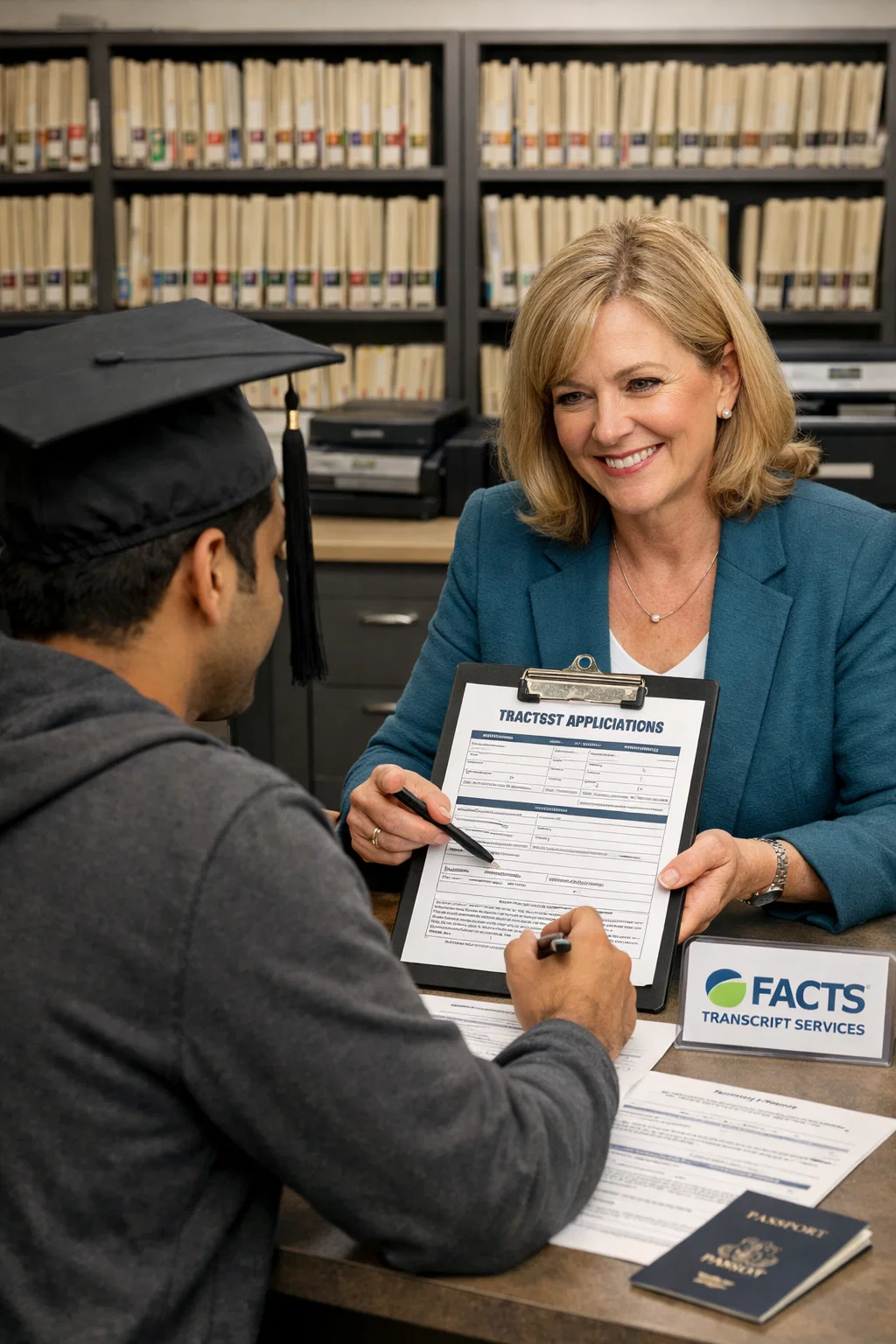
This comprehensive guide explores the full licensing process for physiotherapists — from educational prerequisites to professional registration — and explains how FACTS Transcripts supports physiotherapy professionals by evaluating and presenting their academic and professional credentials clearly and accurately for licensing authorities, employers, and academic institutions.
Understanding the Importance of Licensure in Physiotherapy
Licensure is a formal process through which regulatory authorities grant permission to qualified individuals to practice physiotherapy within a defined jurisdiction. Licensing exists to protect public health and ensure that only well-trained and competent professionals deliver healthcare services.
Without the necessary license, individuals cannot legally practice physiotherapy, use protected professional titles, or work independently in clinical settings. Licensing also forms the basis for professional recognition, employment eligibility, and career progression.
Educational Pathways and Qualification Requirements
The foundation of the license process is education. A strong academic background in physiotherapy ensures that practitioners possess the scientific knowledge, clinical reasoning skills, and therapeutic competencies required for safe and effective practice.
Undergraduate Physiotherapy Degrees
To qualify for licensure, candidates must complete an accredited physiotherapy degree programme. In many countries, this is the Bachelor of Physiotherapy (BPT) or an equivalent undergraduate qualification. These programmes typically span four years and include classroom instruction, laboratory work, and supervised clinical training.
Core academic subjects covered include:
-
Anatomy and physiology
-
Kinesiology and biomechanics
-
Pathology and disease mechanisms
-
Therapeutic exercise and manual therapy
-
Electrotherapy and modalities
-
Rehabilitation principles
-
Professional ethics and communication
Supervised clinical placements are embedded within the curriculum to allow students to apply theoretical knowledge in real-world settings under the oversight of experienced physiotherapists.
Some regions also offer entry into physiotherapy at the postgraduate level, such as a Master of Physiotherapy, for individuals who already hold a relevant undergraduate degree in another field.
Clinical Training and Practical Experience
Clinical experience is an integral component of physiotherapy education. Students participate in structured practicum placements across diverse healthcare environments, such as hospitals, outpatient clinics, community rehabilitation centers, and specialized therapy departments.
During clinical placements, students develop essential skills including:
-
Comprehensive patient assessment
-
Development and implementation of individualized treatment plans
-
Therapeutic exercise prescription
-
Use of manual therapy and assistive modalities
-
Communication with patients, families, and healthcare teams
-
Ethical and professional decision-making
These supervised clinical hours are a mandatory prerequisite for licensure and must be accurately documented.
Professional Registration and Licensing Requirements
Once academic and clinical training requirements are completed, aspiring physiotherapists must pursue licensing through the regulatory body responsible for physiotherapy in their region or country.
Regulatory Authorities
Physiotherapy licensure is typically governed by a state or national council or board. These bodies establish eligibility criteria, administer licensure examinations, issue licenses, and maintain professional registers of qualified practitioners.
To initiate the licensing process, candidates must submit:
-
Certified copies of academic transcripts
-
Proof of completion of clinical practicum hours
-
Identity and citizenship documents
-
Application forms and fees
-
Any additional requirements set by the regulatory authority
Licensing authorities review these submissions to confirm that the candidate meets the prescribed standards before allowing progression to examination or direct licensure.
Licensing or Competency Examination
Many regulatory bodies require candidates to pass a licensing or competency examination. This exam assesses the candidate’s understanding of core physiotherapy competencies, clinical reasoning, professional ethics, and safe practice principles. The examination format may include written tests, practical assessments, or objective structured clinical examinations (OSCEs) depending on the jurisdiction.
Successful completion of the exam demonstrates that a candidate is capable of delivering safe, effective, and evidence-based physiotherapy care.
Registration and License Issuance
Upon verification of credentials and successful examination results, eligible candidates are granted a license to practice physiotherapy. The licensing authority issues a registration number and includes the professional’s name on an official register of licensed physiotherapists.
Licensed physiotherapists gain the legal authority to use protected professional titles, practice independently, work in healthcare facilities, and contribute to public health objectives.
Continuing Professional Development and Renewal
Licensure is not a one-time achievement. Regulatory bodies often require physiotherapists to maintain their license through continuing professional development (CPD). CPD activities may include:
-
Attending professional workshops and conferences
-
Completing advanced clinical courses
-
Engaging in research and evidence-based practice
-
Participating in mentorship or teaching roles
-
Documenting learning activities and outcomes
Physiotherapists are typically required to submit evidence of CPD activities at the time of license renewal, which may occur annually, biennially, or according to local regulations.
Ongoing professional growth ensures that practitioners remain current with advancements in research, clinical techniques, and patient care standards.
Documentation and Credential Verification
Accurate documentation is one of the most critical aspects of the licensing process. Regulatory authorities require clear, authentic, and verifiable records to confirm that candidates have met the educational and clinical criteria for practice.
Documents that are typically required include:
-
Academic transcripts that list courses completed, grades, and program duration
-
Proof of clinical practicum completion, with details of hours and supervising practitioners
-
Diploma or degree certificates
-
Examination results (if applicable)
-
Identification documents
-
Proof of good standing from previous regulatory authorities (if applying from abroad)
Any discrepancies, missing information, or inconsistencies in documentation can delay the licensing process, affect eligibility decisions, or result in applications being returned.
International Credential Recognition and Eligibility Evaluation
Physiotherapists often pursue opportunities beyond their country of qualification, seeking employment, advanced study, or professional growth abroad. However, educational and licensing standards vary across countries, and foreign qualifications may not be directly recognized in all jurisdictions.
To practice internationally, physiotherapists must often undergo credential evaluation to determine equivalency with local standards. Credential evaluation involves:
-
Assessing the level and content of academic training
-
Verifying the accreditation of the educational institution
-
Evaluating clinical practicum hours and clinical competency
-
Translating transcripts and credentials into formats acceptable to the licensing authority
This evaluation provides clarity to foreign regulatory bodies about whether a candidate’s qualifications meet the eligibility criteria within their system.
How FACTS Transcripts Supports Physiotherapy Professionals
FACTS Transcripts specializes in credential evaluation and transcript services that empower physiotherapy professionals to clearly and accurately present their academic and professional achievements to licensing authorities, employers, academic institutions, and international regulators.
Here’s how FACTS Transcripts supports your licensing journey:
Academic Credential Evaluation
FACTS Transcripts evaluates physiotherapy degrees and educational records against internationally recognized benchmarks. This evaluation helps licensing authorities understand how your qualification compares to local standards, especially if you seek practice eligibility in another country.
Organization of Professional Transcripts
Transcripts produced by FACTS Transcripts include:
-
Detailed description of coursework
-
Duration of training
-
Academic performance
-
Clinical practicum summaries
This precise documentation facilitates efficient review by licensing bodies.
Clinical Experience Documentation
FACTS Transcripts helps compile and present clinical practicum records in a professional format. Clear presentation of supervised hours and competencies achieved supports eligibility verification.
Support for Licensing and Registration Applications
FACTS Transcripts ensures that your documentation aligns with the requirements of regulatory authorities, reducing the risk of delays or requests for additional information. Evaluated transcripts make application review more straightforward and transparent.
Career Opportunities After Licensure
Once licensed, physiotherapists can pursue a wide range of fulfilling careers in healthcare settings such as:
-
Hospitals and rehabilitation centers
-
Private physiotherapy clinics
-
Community health programs
-
Sports medicine and athletic training
-
Academic and research institutions
-
Occupational health services
Some physiotherapists specialize further in areas such as:
-
Pediatric physiotherapy
-
Geriatric rehabilitation
-
Orthopedic physiotherapy
-
Neurological rehabilitation
-
Cardiorespiratory therapy
-
Women’s health physiotherapy
Advanced specialization often requires additional training, certification, or postgraduate study.
Conclusion
The licensing process for physiotherapists is a structured and essential pathway that ensures practitioners possess the knowledge, clinical skills, and professional competence necessary to provide safe and effective care. From completing an accredited physiotherapy degree and supervised clinical training to passing licensing examinations and maintaining continuing education requirements, each step contributes to professional readiness and public trust.
Documentation is a central pillar of the licensing process, and clear, verified records are indispensable for success. FACTS Transcripts supports physiotherapy professionals by evaluating, organizing, and presenting academic and clinical credentials in ways that align with regulatory expectations, whether for local practice eligibility or international recognition.
With accurate credential presentation and professional evaluation, physiotherapists can confidently navigate the licensing process, expand career opportunities, and contribute meaningfully to patient health and well-being across the globe.
FACTS Transcripts proudly serves students and professionals across a wide range of regions to support their academic and career goals. Our services are available in:
- India
- United States
- Canada
- United Kingdom
- New Zealand
- Australia
- Russia
- Middle East
- North America
- Africa
Our Services – FACTS Transcripts
We at FACTS Transcripts assist in various services, including:
- Mark Sheet Transcripts
- E-Transcripts
- Duplicate Mark Sheets & Degree Certificates
- Medium of Instructions Certificates
- Attestations
- HRD Attestation / Apostille Services
- ECA (Educational Credentials Assessment)
Trusted by leading global verification organizations, including WES, IQAS, PEBC, NDEB, NASBA, CAPR, NZQA, ICAS, NCESS, ICES, ECE, eduPASS, ACEI, GCEUS, Comparative Education Services, NNAS, NCA, SAQA, QMAS, FORAC, Australian Pharmacy Council, and more.
FACTS Transcripts – The preferred choice for university document verification worldwide. We ensure a hassle-free process for obtaining your transcripts.