

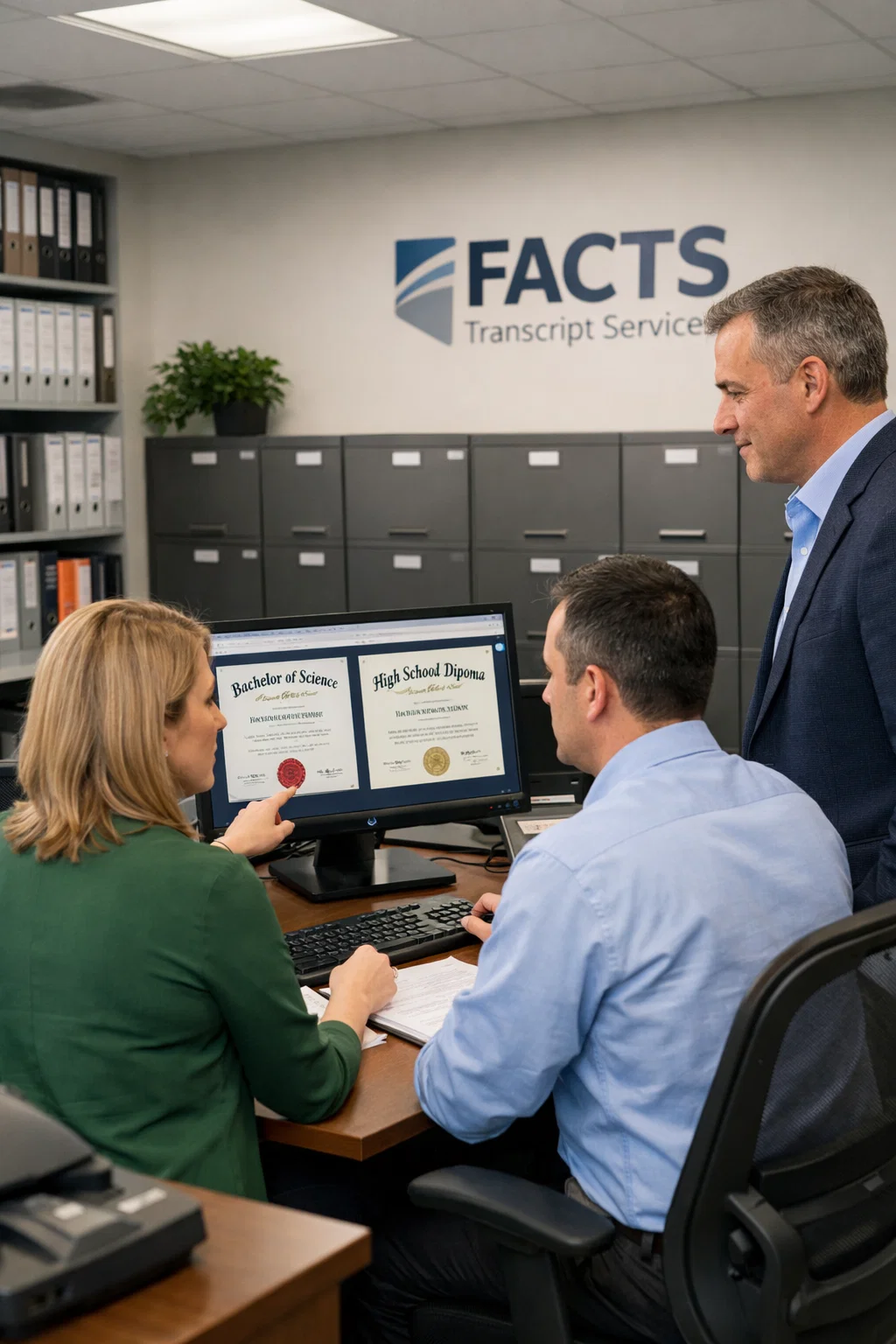
A Complete Guide with FACTS Transcripts
In an increasingly globalized world, people frequently travel abroad for education, employment, business, immigration, and family settlement. When individuals move from one country to another, they are often required to present official documents such as educational certificates, birth certificates, marriage certificates, or business records. However, foreign authorities cannot automatically assume that documents issued in another country are genuine.
To solve this problem, governments use an authentication system that verifies documents before they are accepted internationally. One of the most widely recognized methods of document authentication is the apostille. In India, this authentication is issued by the Ministry of External Affairs and is commonly referred to as an MEA Apostille.
For individuals who need their documents authenticated quickly and correctly, professional service providers such as FACTS Transcripts help manage the process efficiently and ensure that documents meet international legal requirements.
This article explains what an MEA apostille is, why it is required, the types of documents that need apostille authentication, and how FACTS Transcripts helps individuals complete the process smoothly.
Understanding the Meaning of MEA Apostille
An apostille is a special certificate issued by a government authority that verifies the authenticity of a document for use in another country. It confirms that the signature, seal, or stamp on a document is legitimate and issued by a recognized authority.
In India, the Ministry of External Affairs is the official authority responsible for issuing apostille authentication. Once a document receives an apostille stamp, it becomes legally valid for use in countries that are members of the Hague Apostille Convention.
The term apostille originates from the Hague Convention of 1961, which introduced a simplified method of authenticating documents for international use. This convention eliminated the need for repeated legalization procedures between participating countries.
In simple terms, an MEA apostille acts as proof that a document issued in India is genuine and can be accepted abroad.
Why Apostille Authentication Is Necessary
Foreign governments, universities, and employers require proof that the documents submitted by applicants are authentic. Without proper authentication, it is difficult for authorities to verify whether the documents were legitimately issued.
An apostille ensures that the document has been verified by the issuing country. Once authenticated, the document is recognized internationally and can be used for official purposes such as visa processing, academic admissions, employment verification, or legal proceedings.
Since India is a member of the Hague Apostille Convention, documents apostilled by the Ministry of External Affairs are accepted by other member countries without further embassy legalization.
This significantly simplifies the documentation process for people traveling abroad.
Countries Where Apostille Documents Are Accepted
An apostille is recognized in countries that are members of the Hague Convention. This includes many major global destinations such as the United States, the United Kingdom, Australia, Germany, France, and many other European nations.
When documents are apostilled, they can be used directly in these countries without additional embassy attestation. This reduces the number of verification steps required and makes the process faster and more efficient.
If a country is not part of the Hague Convention, then a traditional attestation process involving embassy verification may still be required.
Structure of an MEA Apostille Certificate
The apostille stamp issued by the Ministry of External Affairs follows a standard international format. It usually appears as a printed sticker attached to the document and contains several important fields used for verification.
These fields include information such as:
Country of origin
Name of the authority issuing the document
Seal or stamp of the issuing authority
Date and place of authentication
Unique identification number
Signature of the verifying authority
This standardized format allows foreign authorities to easily verify the authenticity of the document.
Types of Documents That Require Apostille
Different categories of documents may require apostille authentication depending on the purpose for which they will be used abroad. These documents generally fall into three main categories.
Educational Documents
Educational documents are commonly apostilled for students and professionals seeking opportunities abroad.
Examples include:
Degree certificates
Diploma certificates
Academic transcripts
School leaving certificates
Professional qualification certificates
Universities and employers abroad often request apostilled academic documents to confirm that the applicant’s educational credentials are legitimate.
Commercial Documents
Businesses operating internationally often need apostilled commercial documents to establish legitimacy in foreign markets.
Examples include:
Company registration certificates
Business agreements
Commercial invoices
Power of attorney
Memorandum of association
Apostille authentication helps companies conduct international trade and legal transactions with confidence.
The Process of Getting an MEA Apostille in India
Obtaining an apostille typically involves multiple verification stages before the Ministry of External Affairs provides the final authentication.
Initial Verification
The first step usually involves notarization by a notary public. This step verifies that the document is genuine and suitable for further authentication.
State Level Authentication
After notarization, the document must be verified by relevant state authorities.
Educational documents may require authentication by the state education department or HRD department.
Personal documents are often verified by the state home department.
Commercial documents may be verified by the chamber of commerce.
MEA Apostille Authentication
Once state verification is completed, the document is submitted to the Ministry of External Affairs for apostille certification.
The ministry verifies previous authentications and then attaches the apostille stamp to confirm the document’s international validity.
This is the final stage of the apostille process for Hague Convention countries.
Situations Where MEA Apostille Is Required
There are several common situations where individuals need apostilled documents.
Higher education abroad
Overseas employment opportunities
Immigration and permanent residency applications
Family visa or spouse visa processing
International business operations
Professional licensing abroad
In each of these cases, foreign authorities require authenticated documents to ensure legal compliance.
Challenges Faced During the Apostille Process
Although the process appears straightforward, applicants often encounter several challenges.
Many people are unsure about the correct sequence of verification steps. Submitting documents in the wrong order may result in rejection or delays.
Differences in name spelling between documents and passports can also create complications. Incomplete documentation or unclear certificates may require additional verification.
Another common challenge is the need to visit multiple government offices, which can be time-consuming and confusing for applicants who are unfamiliar with the procedure.
Because of these difficulties, many individuals prefer to use professional assistance for document authentication.
How FACTS Transcripts Helps with MEA Apostille Services
FACTS Transcripts provides comprehensive support for individuals who need apostille authentication for their documents.
The organization helps applicants navigate the entire process from document preparation to final apostille certification.
Services offered by FACTS Transcripts include document verification, application guidance, coordination with government authorities, and secure handling of original certificates.
By managing the process efficiently, FACTS Transcripts reduces delays and ensures that documents are processed correctly the first time.
Advantages of Using FACTS Transcripts
Working with experienced professionals provides several benefits.
Applicants receive clear guidance on which documents require apostille and which authorities must verify them.
The risk of document rejection is minimized because all certificates are carefully reviewed before submission.
Applicants do not need to visit multiple government departments themselves, saving time and effort.
FACTS Transcripts also provides secure handling of documents and regular updates on the progress of the application.
Importance of Proper Documentation
Before starting the apostille process, applicants should ensure that all documents are accurate and consistent.
Names should match the passport exactly. Dates and spellings must be correct across all documents.
Certificates should be clear and readable, with official seals and signatures visible.
If there are discrepancies in the documents, they should be corrected before applying for apostille authentication.
Proper preparation helps ensure smooth processing and avoids unnecessary delays.
The Growing Importance of Apostille Services
As international mobility increases, the demand for document authentication services has grown significantly. Students, professionals, entrepreneurs, and families moving abroad all require verified documents to complete their applications successfully.
The apostille system has simplified the process by creating a standardized method for document verification among participating countries.
With reliable support from organizations like FACTS Transcripts, applicants can complete the process efficiently and ensure that their documents meet international requirements.
Conclusion
An MEA apostille is an essential certification that confirms the authenticity of documents issued in India for use in other countries. Issued by the Ministry of External Affairs, the apostille stamp allows documents to be recognized in nations that are members of the Hague Convention.
From educational certificates and personal records to commercial documents, apostille authentication is required for a wide range of international activities.