
Facts Verify

rs12

Navigating International Credential Verification for Saudi Health Licensing with FACTS Transcript

For healthcare professionals around the world, opportunities in global markets — particularly in countries such as Saudi Arabia — are highly attractive. The Kingdom’s healthcare sector is expanding rapidly, creating demand for qualified nurses, physicians, pharmacists, and allied practitioners. To ensure patient safety and professional competence, the Saudi Commission for Health Specialties (SCFHS) has established rigorous standards for licensure and credential verification. One key aspect of this process is international credential verification, a step that confirms the authenticity of academic degrees, licenses, and experience documents issued outside Saudi Arabia before applicants can proceed further in the licensing process.

Achieving a successful SCFHS license requires more than submitting copies of your certificates. Regulatory authorities increasingly rely on primary verification directly from original issuing bodies. This is where trusted credential experts like FACTS Transcript play a critical role. FACTS Transcript helps health professionals prepare, authenticate, verify, and translate their academic and professional credentials to ensure alignment with international verification requirements.


Understanding the Importance of International Verification

Healthcare regulators, including the SCFHS, require Primary Source Verification (PSV) for credentials earned abroad. This type of verification involves contacting the original institution or licensing body to confirm that the documents submitted by a professional are genuine. The goal is to ensure that:

  • Educational degrees and transcripts truly reflect the applicant’s qualifications.

  • Professional licensure is valid and issued by the recognized authority.

  • Work experience and professional roles are authentic and accurately documented.

  • There is no history of professional misconduct or disciplinary action.

The SCFHS collaborates with accredited verification partners who specialize in PSV to carry out this service. Without a positive verification confirmation directly from the issuing sources, applicants may face delays, rejections, or even disqualification from the licensing process.


How SCFHS Credential Verification Works

Before delving into how FACTS Transcript supports candidates, it’s useful to understand the general flow of the SCFHS license verification process. Applicants are expected to undergo several stages, many of which depend on accurate documentation and verification:

Initial Application Submission

Applicants begin by submitting their credentials and personal information to the SCFHS through the Mumaris Plus portal. These credentials typically include academic degrees, transcripts, professional licenses, passport copies, and evidence of work experience. Any inconsistency or incomplete documentation at this stage can slow down the entire process.

Primary Source Verification

After the initial review, SCFHS initiates Primary Source Verification through its verification partner. This step ensures that the academic institutions, licensing bodies, and employers that issued the documents confirm their validity. Verification partners reach out to the original issuing authorities, rather than relying on copies submitted by the applicant.

This stage is often the longest in the licensure process, as it depends on responses from external institutions in various countries, each with different procedures and timelines. Delays at this point are common, particularly if institutions are slow to respond or if the documents are not properly organized for verification.

Once verification is completed and found satisfactory, SCFHS can proceed to evaluate the applicant’s eligibility and, if requirements are met, grant the next steps for classification and examination scheduling.


What Makes International Verification Challenging

For many international applicants, verifying their credentials can be a complex and time-consuming task, especially if they try to manage every detail independently. Some common challenges include:

Document Preparation Issues

Incomplete, unclear, or improperly formatted documents are frequent causes of verification delays. Regulatory bodies expect clean, official credentials directly from academic institutions or licensing authorities. Transcripts, degrees, and licenses may need translation into English or Arabic and must be certified according to strict guidelines.

Uncertain Verification Requirements

Different countries and institutions have varying requirements and processes for releasing verification information. Some may not participate in electronic credential exchanges or may require specific forms that applicants are unfamiliar with. Without guidance on these requirements, applicants can easily make mistakes.

Communication Barriers

Institutions may require physical mail delivery or have limited digital verification options, making it difficult to transmit documents internationally. Likewise, licensing bodies may require detailed authorization from practitioners, which adds another layer of administrative complexity.

Variations in Regulatory Expectations

Within the global healthcare landscape, different countries have diverse expectations for what constitutes an acceptable credential verification. Regulatory authorities like the SCFHS may have specific criteria that differ from those in the applicant’s home country, requiring additional preparation or documentation.


How FACTS Transcript Helps Simplify Verification

FACTS Transcript provides centralised support for healthcare professionals navigating international credential verification and licensure requirements like those of SCFHS. Here’s how the service assists applicants at every step:

Expert Document Preparation and Review

The first step toward successful verification starts with preparing accurate and complete documentation. FACTS Transcript guides applicants on what documents are required, how they must be formatted, and how to handle translations. This includes transcripts, degree certificates, licenses, work experience letters, and other supporting credentials.

By ensuring that documents are professionally organised and meet the regulatory standards of credential evaluators and verification partners, applicants reduce the risk of delays due to missing or non-compliant information.

Credential Authentication and Verification

FACTS Transcript works with applicants to authenticate documents directly with educational institutions and licensing authorities. The process includes verifying that the documents are legitimate and represent the practitioner’s actual credentials. This often involves communicating with issuing authorities, ensuring they understand the requirements of international verification partners, and facilitating proper submission of documentation.

Clear Guidance on International Standards

Healthcare professionals may not always be familiar with the specific criteria set by international regulators like SCFHS. FACTS Transcript provides tailored guidance on these standards, helping applicants understand exactly what regulators expect. This could involve advising on the need for certified translations, notarised copies, or specific forms required by verification partners.

Reducing Risk of Delays and Rejections

Because FACTS Transcript handles credential verification thoroughly and professionally, applicants are much less likely to encounter repeated requests for additional documentation or verification clarifications. This reduces the potential for extended processing times and improves the applicant’s chances of smoothly advancing through the licensure process.

Coordinated Credential Tracking and Support

Staying updated on the status of ongoing verification requests is vital for applicants planning their careers. FACTS Transcript can help practitioners track their documents’ progress and communicate with relevant authorities to address any queries or additional requirements that arise during the verification phase.


Preparing for Global Professional Mobility

For professionals aiming to establish or advance their healthcare careers abroad — including in Saudi Arabia — understanding credential verification and licensure processes is fundamental. Accurate, well-organised, and authenticated documents not only streamline interaction with regulators like SCFHS but also position applicants as credible and ready for global practice.

FACTS Transcript’s services are designed to give healthcare practitioners confidence and clarity as they prepare for international licensure. By handling the technicalities of credential verification and ensuring alignment with international standards, the service allows professionals to focus on their clinical expertise and career objectives.


Conclusion

International credential verification is a cornerstone of healthcare licensure in many countries, particularly regulated markets such as Saudi Arabia. The process ensures that only qualified, competent, and verifiable professionals enter the healthcare workforce. However, the complexity of international documentation, primary source verification expectations, and regulatory variations can make this process daunting for applicants.

FACTS Transcript offers expert support in preparing, verifying, and authenticating credentials so that healthcare professionals can meet international requirements with confidence. Whether you are pursuing SCFHS licensure, planning to work in another country, or preparing documents for regulatory review, having your credentials thoroughly validated is essential. With comprehensive support from FACTS Transcript, the path to global practice becomes clearer, more dependable, and far more efficient.

FACTS Transcripts proudly serves students and professionals across a wide range of regions to support their academic and career goals. Our services are available in:

  • India
  • United States
  • Canada
  • United Kingdom
  • New Zealand
  • Australia
  • Russia
  • Middle East
  • North America
  • Africa

Our Services – FACTS Transcripts

We at FACTS Transcripts assist in various services, including:

  • Mark Sheet Transcripts
  • E-Transcripts
  • Duplicate Mark Sheets & Degree Certificates
  • Medium of Instructions Certificates
  • Attestations
  • HRD Attestation / Apostille Services
  • ECA (Educational Credentials Assessment)

Trusted by leading global verification organizations, including WES, IQAS, PEBC, NDEB, NASBA, CAPR, NZQA, ICAS, NCESS, ICES, ECE, eduPASS, ACEI, GCEUS, Comparative Education Services, NNAS, NCA, SAQA, QMAS, FORAC, Australian Pharmacy Council, and more.

FACTS Transcripts – The preferred choice for university document verification worldwide. We ensure a hassle-free process for obtaining your transcripts.

Navigating International Credential Verification for Saudi Health Licensing with FACTS Transcript Read More »

rs11

Understanding the Good Standing Certificate for Healthcare Professionals

For many healthcare professionals planning to work abroad — especially in countries like Kuwait — a Good Standing Certificate from the Ministry of Health (MOH) is a crucial document. It verifies that a practitioner holds a valid license and has maintained an ethical, compliant professional record in their home country or last place of practice. This certificate is often required by regulatory bodies, employers, and licensing authorities as part of credential verification and licensure processes.

A Good Standing Certificate plays a central role in proving professional credibility, confirming that an applicant:

  • has no disciplinary actions or unresolved professional complaints,

  • is in compliance with regulatory requirements, and

  • is recognized in their field by the relevant licensing authority.

Because such certificates are often required for migration, employment, or licensing purposes, accurate preparation, verification, and submission of credentials is vital. FACTS Transcript specializes in authenticating and organizing academic and professional documents — including those needed for Good Standing Certificate applications — to improve outcomes for international applicants.


What Is a Good Standing Certificate and Why It Matters

A Good Standing Certificate is a formal attestation issued by a regulatory authority — in this case, a health ministry or council — confirming that a health professional’s registration and licensure are valid, current, and unblemished. Many countries, including Kuwait, embed this requirement into health sector licensing procedures to safeguard patient safety and professional standards.

The certificate generally confirms:

  • professional registration status,

  • absence of professional misconduct,

  • fulfillment of legal and ethical obligations,

  • adherence to continuing education or regulatory mandates (where applicable).

Globally, licensing authorities use Good Standing Certificates as part of Primary Source Verification (PSV) — direct confirmation of qualifications from original issuing bodies rather than copies provided by applicants themselves. This ensures that international healthcare employers and regulators can trust the credentials presented by professionals who trained and practiced abroad.


The Kuwait MOH Good Standing Certificate: A Step-by-Step Guide

Although the specific digital platforms and procedures may vary, the fundamental process for applying for a Good Standing Certificate involves the following broad stages:

1. Document Preparation

Before initiating an application, it’s essential to compile all required documents clearly and professionally. These usually include:

  • A copy of your current or most recent professional license issued by your home regulatory authority.

  • A valid passport and identification documents.

  • Evidence of employment history, such as experience certificates or salary certificates.

  • Any employer-issued Good Standing letter — if specific professional conduct documentation is available locally.

For international applicants, preparing clean, accurate scans of your documents — exactly as required by the destination regulatory authority — can reduce errors and delays. Missing or poorly prepared documentation is one of the most common reasons applications are returned or rejected.

2. Online Account Registration and Portal Access

In many cases, applicants must create an account on the official MOH electronic portal for professional services in the destination country. This account becomes the central space for:

  • submitting the application,

  • uploading documentation,

  • tracking the status of your Good Standing Certificate, and

  • downloading the final certificate once issued.

It is critical that all details — personal, professional, and contact information — are entered accurately. Errors here can lead to delays in issuing the certificate.

3. Application Form Completion

Once logged in, applicants must navigate to the Good Standing Certificate section and complete the online application form. This form typically captures:

  • personal details,

  • professional qualifications,

  • license numbers and issuing authorities,

  • employment history,

  • any ongoing or past disciplinary information.

Accurate entry of these details is essential. Inconsistencies between your uploaded documents and the application form can lead to processing delays.

4. Supporting Document Upload

After the form is completed, the portal will prompt applicants to upload supporting files. These usually include all documents prepared earlier — such as license copies, passport pages, employer letters, and professional conduct declarations. Each file must be correctly labeled and assigned to the appropriate upload field.

Because regulatory authorities often conduct verification against primary sources, poorly scanned or mislabeled files can lead to delays.

5. Payment and Submission

Once all documents have been uploaded and reviewed by you for accuracy, the system will typically request payment of the required fee. After this payment is processed, the application can be submitted for official review.

The time required for processing varies by authority, but applicants can usually log in and check status updates to see when the certificate is ready to download.

6. Final Issuance and Download

Upon approval, the Good Standing Certificate becomes available for download from the portal. Professionals can then use this certificate to advance their licensing or employment process in their target country.


Challenges Healthcare Professionals Face and How FACTS Transcript Helps

While the procedural steps may sound straightforward, many professionals encounter obstacles when applying for a Good Standing Certificate — especially when doing so from outside the issuing country. These challenges often include:

Difficulty Accessing Local Portals

Many health ministry portals are accessible only within the issuing country or require local authentication. Overseas applicants may need assistance from trusted contacts to complete registration and submission.

FACTS Transcript can help applicants navigate this by providing clarity on documentation requirements and advising on the exact materials needed for successful submission.

Documentation Errors and Inaccuracies

Applicants frequently suffer delays due to missing information, incorrectly scanned documents, unrecognized formats, or failures to meet language translation requirements. Regulatory authorities may reject or hold applications when documentation does not meet standards.

FACTS Transcript specializes in ensuring that all documents — academic transcripts, licensure certificates, experience letters, and supporting credentials — are correctly formatted, thoroughly validated, and verified at source before submission. This improves clarity and reduces the risk of rejection.

Verification and Compliance Hurdles

Regulatory authorities increasingly require documents to be verified directly from issuing institutions — a process known as Primary Source Verification. When this verification is absent or incomplete, applications for Good Standing Certificates — and ultimately for licensure — may be delayed or refused.

FACTS Transcript works with credential verification systems to authenticate your qualifications directly with universities, licensing boards, and employers, delivering reports that satisfy international standards.


Conclusion

A Good Standing Certificate is more than just a piece of paper — it is an essential credential that validates your professional reputation, compliance, and eligibility to work abroad. For healthcare professionals targeting international opportunities, particularly in regulated markets like the Gulf Cooperation Council (GCC) countries, obtaining this certificate is often a pivotal step in overcoming licensing barriers and advancing your career.

FACTS Transcript simplifies this journey by ensuring your academic and professional credentials are properly prepared, verified, and aligned with the documentation standards of international licensing authorities. With comprehensive credential evaluation and verification support, FACTS Transcript empowers professionals to navigate complex application processes with confidence and precision, helping you take the next step in your global healthcare career.

FACTS Transcripts proudly serves students and professionals across a wide range of regions to support their academic and career goals. Our services are available in:

  • India
  • United States
  • Canada
  • United Kingdom
  • New Zealand
  • Australia
  • Russia
  • Middle East
  • North America
  • Africa

Our Services – FACTS Transcripts

We at FACTS Transcripts assist in various services, including:

  • Mark Sheet Transcripts
  • E-Transcripts
  • Duplicate Mark Sheets & Degree Certificates
  • Medium of Instructions Certificates
  • Attestations
  • HRD Attestation / Apostille Services
  • ECA (Educational Credentials Assessment)

Trusted by leading global verification organizations, including WES, IQAS, PEBC, NDEB, NASBA, CAPR, NZQA, ICAS, NCESS, ICES, ECE, eduPASS, ACEI, GCEUS, Comparative Education Services, NNAS, NCA, SAQA, QMAS, FORAC, Australian Pharmacy Council, and more.

FACTS Transcripts – The preferred choice for university document verification worldwide. We ensure a hassle-free process for obtaining your transcripts.

Understanding the Good Standing Certificate for Healthcare Professionals Read More »

rs10

The Global Healthcare Workforce Challenge and Why Documentation Matters

The demand for qualified healthcare professionals across the Gulf Cooperation Council (GCC) nations — such as Saudi Arabia, the United Arab Emirates, Qatar, Kuwait, Bahrain, and Oman — is rising rapidly as governments invest in modern hospitals, specialist medical centers, and cutting-edge patient care facilities. However, local training systems are often unable to produce enough skilled nurses, physicians, and allied healthcare professionals to meet this demand. As a result, recruiting international talent has become fundamental to sustaining quality healthcare services in the region.

For healthcare professionals from India, the Philippines, Africa, and Southeast Asia, Gulf countries represent some of the most sought-after destinations for career growth, tax-free remuneration, and exposure to advanced clinical environments. Yet despite this high demand, multiple barriers continue to complicate international recruitment — many of which relate directly or indirectly to the verification, recognition, and authenticity of academic and professional documents.


Key Recruitment Challenges in Gulf Healthcare

1. Credential Verification and Licensing Hurdles

Before a nurse, doctor, or healthcare specialist can work abroad, employers and professional councils in Gulf countries require thorough verification of academic transcripts, licenses, and certificates. This often includes:

  • Verification of degrees and diplomas from sending institutions.

  • Confirmation of clinical training, internships, and professional experience.

  • Authentication by relevant authorities to prevent fraud and misrepresentation.

Many professionals face delays or rejections because their documentation is incomplete, improperly prepared, or fails to meet the strict standards of foreign licensing authorities. This can derail career opportunities, even for highly qualified candidates.

Accurate and verified documentation, like what a trusted credential agency can facilitate, ensures that professionals satisfy regulatory requirements and mitigate the risk of credential rejection — a common cause of recruitment delays.


2. Mismatched Recruiter Screening and Candidate Preparation

A consistent issue in international healthcare recruitment is how candidates are evaluated and matched with jobs. Some Gulf recruiters target large talent pools without adequate screening processes, meaning professionals sometimes arrive with skills that do not fully align with clinical expectations abroad. This mismatch may include:

  • Insufficient clinical experience for specialized roles.

  • Documentation that does not clearly reflect training competencies.

  • Lack of alignment between educational background and job requirements.

When credentials lack standardized verification or are incomplete, employers may interpret them incorrectly, leading to misallocation of staff or further verification requirements that stall the onboarding process. FACTS Transcript plays a crucial role in streamlining this by producing standardized, globally accepted transcripts and verification reports that clearly showcase a candidate’s education and skills.

This improves recruiter confidence and reduces the risk of mismatches that can harm a healthcare professional’s career start abroad.


3. Regulatory and Policy Complexities

Every Gulf country has its own medical licensing councils, exams, and professional standards. For instance:

  • The UAE may require multiple licensing exams and approvals from DHA (Dubai), DOH (Abu Dhabi), or MOH for nurses and physicians working in different emirates.

  • Saudi Arabia and Qatar have unique professional requirements and registration processes.

  • Some nations may require additional documentation such as clinical logs, letters of good standing, or translation certificates.

Navigating this complex regulatory maze can be overwhelming without precise and authenticated documents. A systematic transcript and credential verification process reduces administrative friction and prepares healthcare workers for smoother, faster licensure acceptance in destination countries.


4. Workforce Sustainability and Retention Issues

Even after recruitment, sustaining a healthcare career abroad presents challenges. While work opportunities in Gulf healthcare are attractive, factors such as cultural adaptation, language barriers, and differences in clinical practice standards can impact job satisfaction and retention.

Highly verified documentation gives professionals the confidence that their qualifications are universally recognized and respected. This reduces professional uncertainty and contributes to greater workplace stability, enhancing long-term career pathways abroad and making it easier for employers to invest in international talent development.

Additionally, documented insights into skills and experience help employers design appropriate onboarding and upskilling programs that reduce early burnout and support retention.


How FACTS Transcript Bridges the Recruitment Gap

In a landscape where documentation quality can make or break international healthcare hiring, services like FACTS Transcript serve as a strategic advantage for professionals and recruiters alike. Here’s how:

Comprehensive Academic Credential Reports

FACTS Transcript evaluates degree certificates, transcripts, and supporting documents to produce thorough credential reports that meet global standards. Whether the goal is licensure in the UAE, Saudi Arabia, or Qatar, having credentials authenticated in a trusted format minimizes administrative enquiries and accelerates the evaluation process.

Standardized Presentation for Global Employers

Healthcare employers in the Gulf prioritize clarity and compliance. FACTS Transcript ensures that credentials are presented in a globally accepted format, making it easier for recruitment agencies, licensing councils, and employers to assess qualifications quickly and accurately.

Reduced Risk of Credential Challenges

Fraudulent or unverifiable documents are a real concern in international hiring. FACTS Transcript’s expert review and validation process reduce the risk of recruitment setbacks due to documentation issues.

Faster Professional Transitions

With verified credentials, healthcare professionals face fewer bureaucratic delays, allowing them to focus on preparing for licensing exams, interviews, and relocation logistics. This positions them more competitively in the global healthcare marketplace.


Conclusion

The recruitment of healthcare professionals to Gulf countries is integral to sustaining world-class healthcare services in the region. Yet systemic challenges such as credential verification, regulatory compliance, candidate screening, and documentation integrity continue to slow the process and create significant barriers for aspiring professionals.

In this landscape, FACTS Transcript provides a crucial service — preparing and verifying credentials in a way that aligns with international expectations, simplifies licensing processes, and enhances employability across borders. For nurses, doctors, and allied health professionals planning a global career, trusted credential services are not just an administrative step — they are a strategic investment in professional success.

FACTS Transcripts proudly serves students and professionals across a wide range of regions to support their academic and career goals. Our services are available in:

  • India
  • United States
  • Canada
  • United Kingdom
  • New Zealand
  • Australia
  • Russia
  • Middle East
  • North America
  • Africa

Our Services – FACTS Transcripts

We at FACTS Transcripts assist in various services, including:

  • Mark Sheet Transcripts
  • E-Transcripts
  • Duplicate Mark Sheets & Degree Certificates
  • Medium of Instructions Certificates
  • Attestations
  • HRD Attestation / Apostille Services
  • ECA (Educational Credentials Assessment)

Trusted by leading global verification organizations, including WES, IQAS, PEBC, NDEB, NASBA, CAPR, NZQA, ICAS, NCESS, ICES, ECE, eduPASS, ACEI, GCEUS, Comparative Education Services, NNAS, NCA, SAQA, QMAS, FORAC, Australian Pharmacy Council, and more.

FACTS Transcripts – The preferred choice for university document verification worldwide. We ensure a hassle-free process for obtaining your transcripts.

The Global Healthcare Workforce Challenge and Why Documentation Matters Read More »

nss1

In-Depth Guide to Qualification and Experience Requirements for Health Education Professionals with FACTS Transcripts

Health education is a vital and dynamic field within the broader healthcare system. Health educators play a central role in promoting individual and community well-being by increasing awareness of health issues, teaching preventive strategies, encouraging healthy behaviors, and supporting positive lifestyle changes. They work in diverse settings, including community health centers, schools, public health departments, nonprofit organisations, corporate wellness programs, and healthcare facilities.

To be effective in this field, individuals must combine foundational academic knowledge, practical skills, and professional experience. This guide explores the qualifications and experience requirements for health education professionals, outlines pathways for career development, and explains how FACTS Transcripts supports individuals by evaluating and organising their credentials for employers, regulatory bodies, and academic institutions.


What Is Health Education?

Health education focuses on empowering people with the knowledge, skills, and motivation to make informed decisions about their health. Health educators design, implement, and evaluate educational programs that address a wide range of topics such as disease prevention, nutrition, mental health, sexual health, substance abuse, environmental health, and chronic disease management.

These professionals work collaboratively with communities, healthcare teams, schools, and organisations to develop interventions that promote healthy behaviors, reduce health disparities, and support improved health outcomes at individual and population levels.

Successful health educators draw from principles in public health, psychology, communication, behavioral sciences, and community engagement.


Educational Qualifications for Health Education Professionals

A solid educational foundation is essential for anyone wishing to pursue a career in health education. The field values structured academic preparation that integrates theory, research, and practical application.

Bachelor’s Degree in Health Education or Related Fields

Most entry-level positions in health education require a bachelor’s degree in health education, public health, community health, health promotion, or a related discipline. Undergraduate programmes typically cover:

  • Fundamentals of public health and health behavior theory

  • Health communication strategies

  • Epidemiology and biostatistics

  • Program planning and evaluation

  • Human development and health psychology

  • Cultural competence and community health practices

Students engage in coursework that builds critical thinking skills, communication abilities, and practical understanding of how health behaviors are influenced by social, cultural, and environmental factors.

Many undergraduate programmes include internships or practicum experiences that provide real-world exposure to health education settings under supervision.

Graduate Education for Advanced Practice

For individuals seeking advanced roles in health education, leadership positions, teaching positions, or specialised program development roles, a graduate degree is often recommended or required. Relevant graduate options include:

  • Master’s in Public Health (MPH) with a concentration in health education or community health

  • Master’s in Health Education

  • Master’s in Health Promotion

  • Master’s in Behavioral Science and Health Education

Graduate programmes expand on foundational knowledge and prepare professionals for advanced competencies, such as program design, policy advocacy, outcome evaluation, research methods, and leadership in health initiatives.

Some professionals also pursue doctoral degrees (PhD or DrPH) to work in research, academia, or high-level policy and program planning roles.


Required Practical Experience and Internships

Classroom knowledge alone does not fully prepare health education professionals for the complexities of real-world work. Practical experience is an essential qualification component and often required by employers.

Supervised Practicum Experiences

Many academic programmes include practicum or internship components where students engage in supervised practice within community organisations, health departments, hospitals, schools, or nonprofit settings. During internships, students may:

  • Assist in designing educational materials for public outreach

  • Facilitate workshops on health topics

  • Conduct needs assessments among target populations

  • Collect and analyse health data relevant to program goals

  • Coordinate events promoting healthy behaviors

These experiences allow students to apply theory, learn effective communication with diverse audiences, participate in multidisciplinary teams, and develop professional competencies that are directly relevant to employment.

Practicum experiences are usually documented in detail, including objectives achieved, hours completed, and supervisor evaluations, which are important when applying for jobs or advanced studies.

Work Experience Requirements

After graduation, many health education roles require professional experience in public health or health promotion settings. Employers generally look for evidence of:

  • Experience implementing health education programs

  • Demonstrated understanding of community health needs

  • Ability to measure and evaluate program outcomes

  • Collaboration with multidisciplinary teams

  • Strong written and verbal communication

For leadership or specialist roles, three or more years of experience may be preferred. Experience in research, policy development, grant writing, or working with specific populations (such as children, older adults, or at-risk communities) enhances a candidate’s professional profile.


Core Competencies and Skill Development

To excel in health education, professionals must master a broad set of competencies:

Communication and Instruction Skills

Health educators must articulate complex health information clearly to diverse audiences. This includes designing engaging presentations, developing educational resources, and facilitating workshops.

Analytical and Evaluation Skills

Health education includes program evaluation and outcomes measurement. Professionals must analyse data, assess community needs, and evaluate the impact of interventions.

Cultural Competence

Understanding different cultural norms and tailoring health messaging to diverse communities is crucial. Cultural competence ensures relevance, respect, and effectiveness of health education initiatives.

Community Engagement and Leadership

Health educators often serve as community liaisons, building partnerships, mobilising stakeholders, and advocating for health policy and systemic changes.

Ethical Practice and Professional Conduct

Health education professionals must adhere to ethical standards, safeguard confidentiality, and promote equitable access to health resources.


Licensure, Credentials, and Professional Certification

Unlike some clinical professions, health education does not always require statutory licensure in every region. However, professional certification strengthens credibility and demonstrates commitment to standards of practice.

Certified Health Education Specialist (CHES) and Master Certified Health Education Specialist (MCHES)

In some countries, professional credentials such as the Certified Health Education Specialist designation are available. These certifications attest to an individual’s knowledge of core competencies and adherence to professional standards.

Certified credentials may require:

  • A qualifying educational background

  • A competency examination

  • Evidence of professional experience

  • Continuing education for maintenance

Professional certification enhances employability, recognition, and opportunities for leadership and advanced practice roles.


Documentation and Credential Evaluation

As health education professionals progress through academic and professional pathways, clear documentation of qualifications becomes critical. Academic transcripts, practicum records, certificates, and work experience documentation serve as evidence of eligibility for employment, advanced studies, certification, or international opportunities.

When applying for positions, advanced degree programmes, or certification exams, comprehensive documentation is necessary to demonstrate:

  • Educational completion and level of training

  • The content and scope of coursework

  • Clinical or practicum experience

  • Professional achievements and competencies

Incomplete or unclear documentation can lead to delays or challenges in verifying eligibility.


How FACTS Transcripts Supports Health Education Professionals

FACTS Transcripts specialises in credential evaluation and professional documentation services that help health education professionals present their qualifications with clarity and credibility.

Evaluation of Academic Credentials

FACTS Transcripts reviews educational records and evaluates degrees and coursework against recognised standards. This helps employers, academic institutions, and certifying bodies understand the strength and relevance of a candidate’s training.

Comprehensive Transcript Preparation

Transcripts from FACTS Transcripts include detailed course descriptions, practicum components, academic performance summaries, and program outcomes. This level of detail ensures that reviewers can accurately assess the scope and depth of your preparation.

Documentation of Practical Experience

FACTS Transcripts assists in organising practicum records and professional experience documentation so that your hands-on training and competencies are clearly articulated. This helps employers and licensing or certifying bodies recognise your readiness for professional roles.

Support for Career Advancement

Whether you are pursuing advanced degrees, specialised positions, certifications, or international opportunities, FACTS Transcripts provides the documentation support needed to clearly communicate your qualifications and experience, improving your professional prospects.


Career Opportunities in Health Education

Health education professionals have a wide range of career options, including:

  • Community Health Educator

  • Public Health Program Coordinator

  • Health Promotion Specialist

  • School Health Educator

  • Wellness Program Director

  • Research Associate in Public Health

  • Policy Analyst in Health or Government Agencies

  • Corporate Health and Wellness Consultant

Experienced professionals may also take on leadership positions, teach at universities or colleges, develop public health policy, or contribute to global health initiatives.


Conclusion

Health education is a rewarding and impactful profession dedicated to improving the health and well-being of individuals and communities. To succeed in this field, professionals must combine formal education, practical experience, core competencies, and documented credentials. Whether entering the profession, advancing to leadership roles, or pursuing international opportunities, clear documentation of qualifications and experience is essential.

FACTS Transcripts plays a key role in supporting health education professionals by evaluating and organising academic and professional credentials in a detailed and credible format. With well-prepared credentials, professionals can confidently pursue job opportunities, higher education, certification examinations, and international practice.

FACTS Transcripts proudly serves students and professionals across a wide range of regions to support their academic and career goals. Our services are available in:

  • India
  • United States
  • Canada
  • United Kingdom
  • New Zealand
  • Australia
  • Russia
  • Middle East
  • North America
  • Africa

Our Services – FACTS Transcripts

We at FACTS Transcripts assist in various services, including:

  • Mark Sheet Transcripts
  • E-Transcripts
  • Duplicate Mark Sheets & Degree Certificates
  • Medium of Instructions Certificates
  • Attestations
  • HRD Attestation / Apostille Services
  • ECA (Educational Credentials Assessment)

Trusted by leading global verification organizations, including WES, IQAS, PEBC, NDEB, NASBA, CAPR, NZQA, ICAS, NCESS, ICES, ECE, eduPASS, ACEI, GCEUS, Comparative Education Services, NNAS, NCA, SAQA, QMAS, FORAC, Australian Pharmacy Council, and more.

FACTS Transcripts – The preferred choice for university document verification worldwide. We ensure a hassle-free process for obtaining your transcripts.

In-Depth Guide to Qualification and Experience Requirements for Health Education Professionals with FACTS Transcripts Read More »

Garden

Complete Guide to the Licensing Process for Lab Technicians with FACTS Transcripts

Medical laboratory technicians and technologists are essential members of the healthcare team. They perform diagnostic tests, analyse biological samples, and provide data that doctors and healthcare providers use to diagnose disease, monitor treatment progress, and guide patient care decisions. Because laboratory testing directly affects clinical outcomes and patient safety, training, certification, and licensure processes are rigorous and require clear documentation of qualifications and experience.

This in-depth guide walks through the entire licensing process for laboratory technicians, including the pathways to qualification, clinical experience requirements, professional registration, documentation expectations, international credential recognition, and the role of FACTS Transcripts in supporting credential evaluation and presentation.


Understanding the Role of Laboratory Technicians and Technologists

Medical laboratory professionals work behind the scenes in hospitals, diagnostic laboratories, research facilities, blood banks, public health departments, and specialised testing centers. Their work includes preparing samples, operating complex analytical instruments, performing biochemical and microscopic analyses, and ensuring quality control in testing procedures.

The professional titles may vary based on education and responsibilities:

  • Laboratory Technician

  • Medical Laboratory Technologist

  • Clinical Laboratory Scientist

  • Pathology Laboratory Technician

Each role requires a defined educational background, clinical training, and in many places, professional licensing or certification.


Education Pathways for Laboratory Technicians

The foundation of the licensing process is formal education. Regulatory authorities and employers require that laboratory professionals hold recognised qualifications that demonstrate foundational knowledge in clinical laboratory science.

High School Preparation

Candidates typically begin their journey with secondary education, focusing on science subjects such as biology, chemistry, physics, and mathematics. These subjects build the fundamental understanding needed for advanced study.

Diploma and Associate Degree Programmes

Many laboratory technicians begin with a diploma or associate degree in medical laboratory technology or related allied health fields. These programmes are offered by universities, colleges, and technical institutes and generally combine classroom learning with laboratory practice.

Typical coursework includes:

  • Clinical chemistry

  • Microbiology

  • Hematology

  • Immunology

  • Laboratory safety and quality control

  • Medical ethics and professional standards

Students also spend time in supervised lab settings where they learn to operate diagnostic equipment, prepare biological samples, and follow standard operating procedures.

Bachelor’s Degree in Medical Laboratory Science

For those pursuing advanced roles, a bachelor’s degree in medical laboratory science or clinical laboratory science offers a deeper educational experience. Bachelor’s programmes include more advanced coursework, research projects, and clinical internships, preparing graduates for higher responsibility roles and leadership positions within laboratory departments.

Bachelor’s-level education is often preferred or required for technologist titles and for eligibility to sit for advanced certification exams.


Clinical Training and Practical Experience

Clinical training is a core component of laboratory science education and an essential requirement for eligibility and eventual licensure or certification.

Supervised Clinical Practicum

Most accredited laboratory education programmes include a supervised clinical practicum — a structured period where students apply their knowledge in actual clinical laboratory environments under professional supervision. During practicum experiences, trainees perform a wide range of routine and specialised tests, practise quality control procedures, learn about laboratory information systems, and develop critical thinking around diagnostic interpretation.

Supervised practicum work is documented in detail, including:

  • Number of clinical hours

  • Types of tests performed

  • Competencies achieved

  • Supervisor evaluations

These practicum records are important evidence for licensing and certification applications.


Professional Licensing and Certification

The licensing and certification process ensures that laboratory professionals meet standards of knowledge, skill, and ethical practice to perform tests safely and accurately.

Regulatory Authorities and Professional Boards

In many countries, medical laboratory professionals must obtain licensure or certification from a recognised regulatory authority, professional board, or council. These authorities define eligibility criteria, administer examinations, and maintain registers of qualified practitioners.

Licensing requirements vary by location but generally include:

  • Accredited academic qualification

  • Completion of supervised clinical practicum

  • Successful completion of a licensing or certification examination

  • Compliance with professional conduct and ethics standards

In some regions, licensure may be mandatory to practise, while in others, certification may be voluntary but strongly recommended for career advancement.

Licensing or Certification Examinations

Examinations assess a candidate’s:

  • Core knowledge of laboratory science theory

  • Practical understanding of testing procedures

  • Quality control and safety practices

  • Ethical and professional behaviour

These assessments may be written, practical, or both. Passing the examination confirms that a candidate is ready to practice independently and contribute to accurate clinical diagnosis and patient care.


Documentation Required for Licensing and Registration

Accurate and verifiable documentation is central to the licensing process. Regulatory bodies and employers require comprehensive evidence of education, training, and professional experience.

Documents commonly required include:

  • Academic transcripts with detailed coursework and grades

  • Diploma or degree certificates

  • Supervised clinical practicum logs

  • Supervisor evaluations and verification letters

  • Identification and personal credentials

  • Examination results, if applicable

Each document must be authentic and consistent with regulatory expectations. Discrepancies or incomplete records can delay processing or result in requests for additional verification.


International Credential Evaluation and Mobility

Medical laboratory professionals often seek to work abroad, pursue advanced education, or secure specialised roles in research or public health. However, educational systems and professional standards differ across countries. Foreign qualifications must be evaluated to determine equivalency with local requirements.

Credential evaluation involves:

  • Reviewing academic content and duration of study

  • Comparing clinical practicum hours and competencies

  • Assessing accreditation status of the training institution

  • Translating transcripts and certificates into standard formats

A clear, evaluated academic and clinical record enables licensing authorities and employers in other countries to interpret your credentials accurately and assess eligibility for registration or employment.


Maintaining Competence and Continuing Professional Development

Licenses and certifications often require maintenance through continuous learning. Medical laboratory science evolves rapidly with new techniques, technologies, and quality standards. Continuing professional development (CPD) keeps practitioners current and strengthens professional credibility.

Continuing education activities may include:

  • Attending workshops and technical seminars

  • Completing advanced laboratory science courses

  • Participating in research or quality improvement projects

  • Subscribing to peer-reviewed professional journals

Regulatory bodies may require documented CPD for license renewal, ensuring that professionals sustain high standards of competence.


Career Opportunities for Licensed Laboratory Professionals

With formal qualification and licensing, medical laboratory professionals can pursue a wide range of career pathways, including:

  • Hospital clinical laboratory technologist

  • Public health laboratory analyst

  • Research scientist in biomedical laboratories

  • Quality assurance and laboratory safety specialist

  • Blood bank or transfusion medicine technician

  • Clinical data analyst or informatics specialist

  • Laboratory manager or supervisor

Advanced education, specialised certifications, and documented clinical expertise broaden career prospects and open doors to leadership, education, and research roles.


How FACTS Transcripts Supports Laboratory Technicians

FACTS Transcripts specialises in credential evaluation and documentation services for healthcare professionals, including medical laboratory technicians and technologists. FACTS Transcripts helps individuals present their qualifications in clear, professionally organised formats acceptable to regulatory authorities, employers, and academic institutions.

Evaluation of Academic Records

FACTS Transcripts analyses educational credentials, comparing them against recognised standards. This helps regulatory bodies understand the level and scope of your training, especially when qualifications were obtained outside the country where you seek practice.

Organised and Detailed Transcripts

Transcripts prepared by FACTS Transcripts include:

  • Comprehensive course descriptions

  • Credit hours and subject content summaries

  • Documentation of laboratory practicum and competencies

  • Clear presentation of academic achievements

These professionally formatted transcripts facilitate accurate evaluation by licensing boards or employers.

Clinical Experience Documentation

FACTS Transcripts assists in consolidating your practicum logs, supervisor evaluations, and clinical experience records into coherent documentation. Comprehensive evidence of supervised training supports eligibility verification and reduces potential delays.

Support for Licensing, Employment, and International Recognition

Whether you are applying for licensure, seeking employment, or pursuing advanced education abroad, FACTS Transcripts ensures that your credentials are presented clearly, professionally, and in a way that reviewers can easily interpret. Accurate documentation enhances confidence in your qualifications and supports broader career mobility.


Conclusion

The licensing process for medical laboratory technicians and technologists is an essential step in establishing a credible and professional career in healthcare. Through formal education, structured clinical training, documented experience, and successful certification, laboratory professionals demonstrate their readiness to provide accurate diagnostic services that are vital to patient care.

Credential documentation is a critical component of the licensing journey. FACTS Transcripts plays a key role in supporting laboratory professionals by evaluating and presenting academic and clinical credentials in formats that align with regulatory expectations, whether locally or internationally.

With well-organised, evaluated credentials, medical laboratory professionals can pursue licensure with confidence, expand career opportunities, and contribute meaningfully to healthcare systems worldwide.

FACTS Transcripts proudly serves students and professionals across a wide range of regions to support their academic and career goals. Our services are available in:

  • India
  • United States
  • Canada
  • United Kingdom
  • New Zealand
  • Australia
  • Russia
  • Middle East
  • North America
  • Africa

Our Services – FACTS Transcripts

We at FACTS Transcripts assist in various services, including:

  • Mark Sheet Transcripts
  • E-Transcripts
  • Duplicate Mark Sheets & Degree Certificates
  • Medium of Instructions Certificates
  • Attestations
  • HRD Attestation / Apostille Services
  • ECA (Educational Credentials Assessment)

Trusted by leading global verification organizations, including WES, IQAS, PEBC, NDEB, NASBA, CAPR, NZQA, ICAS, NCESS, ICES, ECE, eduPASS, ACEI, GCEUS, Comparative Education Services, NNAS, NCA, SAQA, QMAS, FORAC, Australian Pharmacy Council, and more.

FACTS Transcripts – The preferred choice for university document verification worldwide. We ensure a hassle-free process for obtaining your transcripts.
Complete Guide to the Licensing Process for Lab Technicians with FACTS Transcripts Read More »

p16

Exploring Globally Recognised Nursing Courses to Elevate Your Healthcare Career with FACTS Transcripts

Nursing is one of the most respected and vital professions in the global healthcare landscape. Nurses serve as the backbone of patient care, working across hospitals, community clinics, aged care facilities, emergency units, research institutions, and public health settings. With healthcare systems constantly evolving, nursing professionals who pursue advanced education and globally recognised qualifications position themselves for greater responsibilities, specialised roles, leadership opportunities, and international mobility.

Selecting the right educational pathway can make a significant difference in professional growth. From foundational nursing programmes to advanced clinical specialisations and leadership studies, exploring nursing courses that are recognised across borders helps nurses achieve long-term success and global career opportunities.

Equally important is the documentation and verification of your education and training. FACTS Transcripts supports nursing professionals by evaluating, organising, and presenting academic and clinical credentials in ways that are clearly understood by licensing boards, employers, and educational institutions worldwide.

In this comprehensive guide, we explore the most valuable nursing courses, explain why each matters for career progression, and highlight how FACTS Transcripts enhances your professional profile through accurate credential evaluation and presentation.


Why Choosing Globally Recognised Nursing Courses Matters

Healthcare systems worldwide share common goals: patient safety, quality outcomes, evidence-based practice, and ethical care. As a result, educational standards in nursing have aligned to support competencies that transcend national boundaries. Nurses with qualifications recognised internationally benefit in several ways:

  • Stronger eligibility for licensure in multiple countries

  • Greater employment opportunities in diverse healthcare settings

  • Access to specialised clinical and leadership roles

  • Enhanced credibility with employers and regulatory authorities

  • Readiness for advanced, evidence-based practice

Globally recognised nursing courses form the foundation for professional competence, enabling nurses to demonstrate knowledge and skills that meet international healthcare expectations.


Core Nursing Qualifications: Building Your Foundation

Diploma and Associate Degree in Nursing

For many aspiring nurses, the first step is completing a diploma or associate degree in nursing. These programmes typically focus on core nursing principles, clinical care fundamentals, and hands-on patient experience. Graduates from these programmes are prepared for entry-level nursing roles and are often eligible to sit for licensing examinations in their countries.

Coursework generally includes:

  • Human anatomy and physiology

  • Fundamentals of nursing practice

  • Pharmacology essentials

  • Health assessment and clinical skills

  • Introduction to community and public health

These credentials are especially valuable in regions where diploma or associate level training leads directly to nursing licensure.

Bachelor of Science in Nursing (BSN)

The Bachelor of Science in Nursing (BSN) is recognised globally as a standard qualification for professional nursing practice. BSN programmes expand beyond core skills to include leadership, research, public health, and clinical reasoning.

BSN coursework typically covers:

  • Advanced clinical practice

  • Evidence-based nursing research

  • Community and global health principles

  • Healthcare policy and ethics

  • Leadership and management in nursing

Many hospitals and healthcare organisations prefer or require BSN-prepared nurses for direct patient care positions, particularly in acute care, critical care, and specialised units.


Advanced and Specialised Nursing Programmes

Once foundational education is complete, nurses often pursue advanced courses and specialised training to deepen expertise and open doors to specific clinical roles or leadership track opportunities.

Master of Science in Nursing (MSN)

The Master of Science in Nursing is a graduate-level qualification that supports advanced clinical practice, education, healthcare leadership, or specialised nursing pathways. Specialisations in MSN programmes may include:

  • Nurse Practitioner

  • Clinical Nurse Specialist

  • Nursing Administration

  • Nursing Education

  • Pediatric or Gerontological Nursing

MSN programmes combine advanced theory, research methodology, and clinical practicum experiences, preparing nurses to take on roles that require critical thinking and high-level competencies.

Doctor of Nursing Practice (DNP) and Doctor of Philosophy (PhD)

For nurses seeking the highest level of academic and clinical expertise, doctoral-level programmes represent peak achievement.

Doctor of Nursing Practice (DNP) prepares nurses for advanced clinical leadership roles, systems-level change implementation, evidence-based practice, and direct patient care at the highest level.

Doctor of Philosophy (PhD) in nursing focuses on research, academia, and knowledge generation. Nurse researchers and professors with PhDs contribute to scientific knowledge, healthcare policy, and teaching the next generation of nurses.

Doctoral qualifications are respected globally and often required for senior academic positions, advanced clinical specialisations, or health system leadership roles.


Short Courses and Continuous Education

Healthcare is dynamic, and ongoing learning is essential to maintain competence and stay current with emerging practices, technologies, and research. Short courses and continuing professional development offerings help nurses upgrade skills and expand expertise without committing to full degree programmes.

Examples of specialised short courses include:

  • Infection prevention and control

  • Critical care nursing

  • Pediatric emergency care

  • Palliative and end-of-life care

  • Mental health and psychiatric nursing

  • Wound and skin care management

These certificates may enhance a nurse’s profile for specific roles or support continuing licensure requirements in many countries.


Eligibility for Licensing and International Practice

Globally recognised nursing courses help establish eligibility for licensure in multiple regions. Licensing bodies assess education and clinical training to ensure that a nurse meets minimum practice standards.

When nurses seek to practise outside their home country, they must provide:

  • Verified academic transcripts

  • Documentation of clinical practicum or training hours

  • Proof of licensure or registration where applicable

  • Professional experience records

  • Any required language proficiency documentation

Licensing authorities compare submitted credentials against local standards to determine equivalency, a process that requires clear, authentic, and organised documentation.


Documentation and Credential Evaluation: Why It Matters

Accurate documentation is essential to demonstrate eligibility for licensure, specialised roles, advanced education, and international opportunities. Regulatory bodies and employers must be able to verify:

  • The authenticity of your degree

  • The content and level of your coursework

  • The extent of your clinical experience

  • The equivalence of your qualification to local standards

Incomplete or unclear academic records can delay eligibility verification, complicate licensure review, or reduce job prospects. Having well-evaluated and professionally presented transcripts eliminates ambiguity and supports faster decisions by licensing boards and employers.


How FACTS Transcripts Supports Nursing Professionals

FACTS Transcripts specialises in credential evaluation and documentation services that help nurses present their academic and professional achievements clearly and confidently.

Here’s how FACTS Transcripts enhances your professional profile:

Credential Evaluation for International Standards

FACTS Transcripts evaluates your nursing qualifications to determine their equivalence with internationally recognised education frameworks. This helps licensing organisations, employers, and academic institutions understand the level and scope of your training.

Comprehensive Transcript Preparation

Transcripts from FACTS Transcripts include:

  • Detailed programme descriptions

  • Course content breakdowns

  • Clinical practicum components

  • Academic performance summaries

Professionally organised transcripts make credential review transparent and easy to interpret.

Documentation of Clinical Experience

FACTS Transcripts assists in compiling clinical experience records and presenting them in formats that clearly articulate your hands-on training, practicum hours, and competencies achieved. This is essential for eligibility assessments, licensing applications, and job applications.

Support for Licensing, Education, and Career Growth

Whether you are applying for nursing licensure abroad, seeking admission to advanced programmes, or pursuing specialised roles, FACTS Transcripts ensures that your credentials reflect your true capabilities and are acceptable to reviewing authorities.


Building a Global Nursing Career with Recognised Qualifications

Globally recognised nursing courses open doors to diverse career pathways in clinical care, education, research, leadership, and healthcare policy. Nurses with international credentials can:

  • Work in hospitals and healthcare systems around the world

  • Pursue advanced clinical or administrative roles

  • Teach in nursing schools and training institutions

  • Engage in healthcare research and evidence generation

  • Lead quality improvement and patient safety initiatives

As the demand for highly skilled nurses grows worldwide, having proper education, documented training, and recognised credentials becomes increasingly important.


Conclusion

Nursing professionals who invest in globally recognised courses position themselves for long-term career success, international eligibility, and leadership opportunities. From foundational diplomas and bachelor’s degrees to advanced graduate programmes and specialised courses, each educational milestone contributes to nursing excellence.

Equally important is presenting your qualifications in a way that is clear, thorough, and professionally evaluated. FACTS Transcripts supports nurses throughout this process by evaluating academic credentials, organising professional transcripts, and preparing clinical documentation in formats that regulatory bodies, employers, and educational institutions can trust.

With a strong educational foundation, documented clinical experience, and clear credential evaluation, nurses are empowered to take their careers to new heights across the global healthcare landscape.

FACTS Transcripts proudly serves students and professionals across a wide range of regions to support their academic and career goals. Our services are available in:

  • India
  • United States
  • Canada
  • United Kingdom
  • New Zealand
  • Australia
  • Russia
  • Middle East
  • North America
  • Africa

Our Services – FACTS Transcripts

We at FACTS Transcripts assist in various services, including:

  • Mark Sheet Transcripts
  • E-Transcripts
  • Duplicate Mark Sheets & Degree Certificates
  • Medium of Instructions Certificates
  • Attestations
  • HRD Attestation / Apostille Services
  • ECA (Educational Credentials Assessment)

Trusted by leading global verification organizations, including WES, IQAS, PEBC, NDEB, NASBA, CAPR, NZQA, ICAS, NCESS, ICES, ECE, eduPASS, ACEI, GCEUS, Comparative Education Services, NNAS, NCA, SAQA, QMAS, FORAC, Australian Pharmacy Council, and more.

FACTS Transcripts – The preferred choice for university document verification worldwide. We ensure a hassle-free process for obtaining your transcripts.

Exploring Globally Recognised Nursing Courses to Elevate Your Healthcare Career with FACTS Transcripts Read More »

n21

Complete Guide to the Singapore Nursing Board Licensure Application Process for Nurses with FACTS Transcripts

Singapore is internationally recognised for its high standards in healthcare delivery. Nurses who wish to practise in Singapore must meet well-defined standards of education, professional competence, and regulatory eligibility before becoming registered with the Singapore Nursing Board (SNB). This licence serves as formal authorisation to practise nursing and assures patients, employers, and professional peers that the nurse has met Singapore’s rigorous standards for safe, ethical, and evidence-based care.

For internationally educated nurses, the SNB licensure process involves an additional step of evaluating foreign qualifications to determine equivalence with Singapore’s standards. This evaluation requires careful preparation of academic and professional credentials, accurate documentation of clinical experience, and adherence to regulatory requirements. FACTS Transcripts supports nurses in organising, evaluating, and presenting credentials in formats that regulatory authorities and employers can interpret and trust.

This comprehensive guide covers the SNB licensure process for nurses, including eligibility criteria, required documentation, professional evaluations, examinations, and how FACTS Transcripts enhances your application’s credibility and clarity.


Understanding the Singapore Nursing Board Licensure Framework

The Singapore Nursing Board is the statutory regulatory authority responsible for registering nurses in Singapore. Its mandate includes safeguarding patient safety and ensuring that nurses practising in Singapore meet internationally recognised competencies and ethical standards.

Registration with the SNB is mandatory for all nurses who wish to practise in Singapore. Without a valid SNB licence, it is not permissible to use the title of registered nurse or provide professional nursing services within the country.

The SNB licensure process evaluates:

  • Nursing education and training

  • Clinical experience and competency

  • Professional conduct and ethical history

  • Fitness to practise, including language proficiency where relevant

For nurses trained outside Singapore, an equivalency assessment determines whether foreign education and training meet Singapore’s registration standards.


Educational Qualification Requirements for SNB Registration

A critical aspect of the SNB licence application process is verification of educational qualifications. Nurses must hold a recognised nursing qualification that demonstrates sufficient depth of theoretical knowledge and clinical preparation.

Recognised Nursing Qualifications

Nursing programmes accepted for registration include diploma and degree programmes that combine both nursing theory and clinical practicum components. The core subjects typically covered in recognised programmes include:

  • Human anatomy and physiology

  • Nursing science and principles

  • Adult health nursing

  • Maternal and child health nursing

  • Mental health nursing

  • Community health nursing

  • Pharmacology and therapeutics

  • Professional practice and ethics

For internationally educated nurses, it is important that the nursing programme has appropriate accreditation in the country of origin and aligns closely with Singapore’s competency expectations.

Academic Transcripts and Degree Certificates

Applicants are required to submit detailed academic transcripts and degree certificates as part of their SNB application. Transcripts should clearly list courses taken, duration of study, and completed practicum experience years or hours. This level of detail allows SNB assessors to understand the structure, content, and depth of the nursing education received.


Professional Experience and Clinical Competence

Alongside formal education, nursing practice experience is a vital component of eligibility. Nursing is a practice-based profession, and regulatory authorities assess whether candidates have accumulated sufficient clinical experience to provide safe and effective patient care.

Required Clinical Experience

Candidates are generally expected to have completed a period of supervised clinical nursing practice following graduation. This experience is documented through employment certificates, position descriptions, and performance verification from supervisors or employers.

Demonstrated experience in diverse clinical areas — such as medical-surgical nursing, community care, paediatrics, or specialty units — strengthens an application by showing breadth and depth of clinical competence.

Documentation of experience should precisely record:

  • Duration of employment

  • Specific care settings

  • Range of clinical responsibilities

  • Supervisory verification

These details help SNB reviewers confirm that your professional background aligns with the expectations for registered nursing practice.


Language Proficiency and Communication Skills

Effective communication is a cornerstone of safe nursing practice. Singapore’s multicultural and multilingual healthcare environment requires nurses to communicate clearly with patients, families, and interdisciplinary teams. As part of the licensure review, applicants may be required to demonstrate sufficient language proficiency in English, particularly if their education was conducted in another language.

Language proficiency can be established through:

  • Academic records showing English-medium instruction

  • Language test scores from recognised assessments

  • Employer statements confirming clinical use of English

Clear communication skills support safe assessment, patient education, documentation, and collaboration with healthcare teams.


Fitness to Practise and Professional Conduct Verification

Professional conduct and personal integrity are integral to nursing practice. The SNB reviews an applicant’s fitness to practise to ensure that there is no history of professional misconduct, disciplinary actions, or criminal convictions that could compromise patient safety or ethical standards.

Applicants are often required to provide:

  • Good standing certificates from previous regulatory authorities

  • Statements of professional conduct

  • Letters confirming absence of disciplinary actions

These documents provide further context about the applicant’s professional history and suitability for registration.


Application Submission and Review

The SNB licensure application process involves several key administrative steps. Applicants must compile a comprehensive documentation package that includes:

  • Completed application forms

  • Academic transcripts and qualifications

  • Evidence of clinical experience

  • Language proficiency documentation

  • Professional conduct and good standing letters

  • Identification and personal data

The regulatory authority reviews submissions holistically to assess eligibility. The assessment may involve verifying documents, confirming authenticity with issuing institutions, and comparing foreign qualifications against Singapore’s nursing education standards.

Where gaps or questions arise, applicants may be asked to submit clarifications or provide additional documentation.


Bridging and Competency Examinations

In some cases, internationally educated nurses may be required to complete supplementary learning or bridging programmes if their education and training do not fully align with SNB expectations. These programmes help nurses bridge gaps in theoretical knowledge or clinical competencies.

Upon completion of bridging requirements, candidates may be asked to sit for competency examinations that assess clinical knowledge, ethical practice, critical thinking, and readiness to practise.

Successful completion of all prescribed assessments leads to approval for registration as a licensed nurse in Singapore.


Maintaining Registration and Continuing Professional Development

Once registered, nurses must remain current with professional standards, continuing competence, and regulatory obligations throughout their careers. In Singapore, registered nurses are expected to engage in ongoing professional development to keep their practice current with evolving evidence, technology, and healthcare practices.

Continuing professional development activities may include:

  • Attending workshops and seminars

  • Participating in clinical skills training

  • Completing accredited courses

  • Engaging in reflective practice initiatives

  • Taking part in quality improvement projects

Documentation of continuing learning activities is often required for licence renewal and re-registration.


International Recognition and Career Mobility

Singapore is a global healthcare hub, and registration with the Singapore Nursing Board enhances professional credibility and mobility. Nurses with SNB registration can pursue advanced roles in clinical practice, education, research, leadership, and specialised care.

For nurses seeking to relocate or work in other countries, SNB registration helps establish a strong professional track record that often aligns with international expectations. However, different countries have unique licensing systems, and additional credential evaluations or examinations may be required to practise elsewhere.


How FACTS Transcripts Supports Nurses in the SNB Licensure Process

FACTS Transcripts specialises in credential evaluation and professional documentation services tailored to healthcare professionals, including nurses pursuing licensure with the Singapore Nursing Board.

Here’s how FACTS Transcripts enhances your application and professional profile:

Evaluation of Academic Credentials

FACTS Transcripts evaluates nursing degrees, coursework, and practicum experience against globally recognised standards. This evaluation assists SNB assessors in understanding the equivalence of your educational background and training.

Preparation of Organised Transcripts

Transcripts prepared by FACTS Transcripts include:

  • Detailed course descriptions

  • Academic performance summaries

  • Clinical practicum components

  • Clear documentation of training outcomes

These professionally formatted transcripts help regulators, employers, and institutions interpret your qualifications easily and accurately.

Documentation of Professional Experience

FACTS Transcripts assists in compiling and presenting work experience records, including employment duration, care settings, and verified clinical responsibilities. This documentation provides a clear overview of your professional readiness.

Support for Licensure and Registration Applications

Whether you are applying for an initial licence or seeking re-registration after practice abroad, FACTS Transcripts ensures that your credentials are presented in a transparent and organised manner that aligns with regulatory expectations. Accurate documentation reduces processing delays and enhances clarity.


Conclusion

The Singapore Nursing Board licensure process for nurses is a meticulous and structured pathway designed to uphold high standards of nursing practice in Singapore’s advanced healthcare system. For internationally educated nurses, the process also involves careful evaluation of foreign qualifications, clinical experience, language proficiency, and professional conduct.

Meeting SNB registration standards opens the door to a rewarding nursing career in Singapore, with opportunities for clinical excellence, leadership, and professional growth.

FACTS Transcripts plays an important role in supporting nurses through this process by evaluating, organising, and presenting academic and professional credentials in formats that regulatory authorities and employers can confidently assess.

With well-prepared documentation and understanding of the regulatory requirements, nurses can pursue licensure with confidence and advance their careers within Singapore’s dynamic healthcare environment.

FACTS Transcripts proudly serves students and professionals across a wide range of regions to support their academic and career goals. Our services are available in:

  • India
  • United States
  • Canada
  • United Kingdom
  • New Zealand
  • Australia
  • Russia
  • Middle East
  • North America
  • Africa

Our Services – FACTS Transcripts

We at FACTS Transcripts assist in various services, including:

  • Mark Sheet Transcripts
  • E-Transcripts
  • Duplicate Mark Sheets & Degree Certificates
  • Medium of Instructions Certificates
  • Attestations
  • HRD Attestation / Apostille Services
  • ECA (Educational Credentials Assessment)

Trusted by leading global verification organizations, including WES, IQAS, PEBC, NDEB, NASBA, CAPR, NZQA, ICAS, NCESS, ICES, ECE, eduPASS, ACEI, GCEUS, Comparative Education Services, NNAS, NCA, SAQA, QMAS, FORAC, Australian Pharmacy Council, and more.

FACTS Transcripts – The preferred choice for university document verification worldwide. We ensure a hassle-free process for obtaining your transcripts.
Complete Guide to the Singapore Nursing Board Licensure Application Process for Nurses with FACTS Transcripts Read More »

m7

Comprehensive Guide to the License Process for Dental Assistants with FACTS Transcripts

Dental assistants are vital members of the oral healthcare team, supporting dentists and hygienists in clinical and administrative tasks. Their responsibilities may include preparing patients for treatment, sterilising instruments, taking radiographs, recording patient histories, managing appointment schedules, and assisting during dental procedures. Because dental assistants play an important role in patient care and safety, many regions regulate their practice through formal education standards and licensing requirements.

This comprehensive guide covers the complete licensure process for dental assistants, including educational qualifications, clinical experience pathways, documentation standards, and how to present your credentials professionally. FACTS Transcripts supports dental assistants by evaluating and organising academic records and training documentation so that employers, licensing authorities, and academic institutions can clearly understand and recognise your qualifications.


Understanding the Importance of Licensure for Dental Assistants

Licensure is a formal process through which a regulatory body grants permission to qualified individuals to perform dental assisting duties within a specific jurisdiction. Licensure safeguards public health by ensuring that practitioners have met minimum standards of education, competency, and professional integrity.

Without licensure where it is required, dental assistants may be restricted from performing certain tasks, advancing their careers, or gaining access to professional opportunities. Licensing also serves as a foundation for continued professional growth and recognition.


Educational Qualifications and Training Pathways

The first step toward eligibility for licensure as a dental assistant is meeting the educational requirements. These standards vary by country or state, but they generally ensure that candidates have received formal training in both theoretical and practical aspects of dental assisting.

High School Foundation

Most dental assisting programmes require applicants to have completed secondary education or its equivalent. Strong performance in science subjects such as biology, chemistry, and health science provides a solid foundational understanding of human anatomy, infection control, and clinical procedures.

Formal Dental Assisting Programs

Aspiring dental assistants typically enroll in certificate or diploma programs at vocational schools, community colleges, or specialised training institutes. These programs combine classroom instruction with supervised clinical practice. Coursework may cover topics such as:

  • Dental anatomy and physiology

  • Dental materials and instruments

  • Infection control and sterilisation procedures

  • Chairside assisting techniques

  • Radiography and imaging fundamentals

  • Patient communication and record management

  • Dental office administration

These programs are designed to prepare students for entry-level roles in dental practice. Some institutions also offer associate degrees in dental assisting, which provide a broader academic foundation and may include additional coursework in general health sciences, ethics, and professional development.


Clinical Experience and Practical Training

Hands-on experience is a crucial component of dental assisting education and a key requirement for licensing eligibility in many jurisdictions. Clinical training allows students to apply classroom knowledge in real or simulated practice settings under supervision.

Supervised Clinical Practicum

During their education, students typically participate in supervised clinical practicum, where they:

  • Assist dentists chairside

  • Prepare instruments and materials

  • Practice patient positioning

  • Take impressions or radiographs (depending on scope of practice)

  • Follow infection prevention protocols

  • Record treatment notes and observations

These practicum experiences are documented by instructors and serve as evidence of clinical competence. Supervisors provide evaluations and sign-off on the number of hours completed.

Post-Graduation Experience

In some regions, dental assistants may be required to complete additional workplace experience after graduation before becoming fully licensed. This experience further demonstrates practical readiness, professional behavior, and consistent performance in patient care environments.

Work experience can be documented through employment letters, supervisor statements, and professional logbooks detailing tasks performed and competencies achieved.


Professional Registration and Licensing Requirements

After completing educational and clinical requirements, dental assistants proceed to apply for licensure or registration with the relevant regulatory authority. This step varies depending on regional standards.

Regulatory Bodies

Dental assistants are often licensed by state dental boards, national dental councils, or healthcare regulatory councils. These bodies define eligibility criteria, administer licensure applications, and oversee professional standards in dental care.

Application Process

To apply for licensure, candidates typically submit:

  • Certified copies of academic transcripts

  • Proof of completion of clinical practicum or training

  • Identification and personal information

  • Application forms and applicable fees

  • Any additional documentation mandated by the licensing authority

The regulatory body carefully reviews all documentation to ensure that the candidate meets the prescribed standards. Verification of authenticity and accuracy is a standard part of this review.

Competency Examinations

Some regions require dental assistants to pass a licensing or competency examination before being granted licensure. These exams may include written tests, practical assessments, or both. Examination content often assesses:

  • Knowledge of dental procedures

  • Understanding of infection control standards

  • Patient safety principles

  • Ethical and legal aspects of dental care

  • Clinical skill application

Successful completion of the examination confirms that the candidate has the necessary competency to practice safely and effectively.


Credential Documentation and Verification

Accurate and organised credential documentation is essential throughout the licensing process. Licensing authorities rely on official records to evaluate eligibility and determine whether a candidate meets the minimum standards for professional practice.

Documentation typically includes:

  • Academic transcripts detailing coursework and grades

  • Certificates of completion for dental assisting programs

  • Clinical practicum logs with signed clinical hours

  • Internship or work experience verification

  • Examination results (if applicable)

Incomplete, inconsistent, or unclear documentation can delay the review process, lead to requests for additional information, or negatively impact eligibility outcomes.


Continuing Education and Professional Development

Licenses are not always granted for life without maintenance. Many regulatory bodies require dental assistants to engage in continuing education as part of license renewal. Continuing education ensures that professionals stay up-to-date with advancements in dental technology, infection control updates, and evolving best practices.

Continuing professional development activities may include:

  • Workshops and conferences

  • Advanced clinical courses

  • Certification programs in specialized procedures

  • Online professional development modules

Documenting continuing education hours is essential for renewing licensure and demonstrating ongoing commitment to professional excellence.


International Credential Recognition

Dental assistants planning to work outside the country where they trained may encounter varying education and licensing standards. Different countries have unique regulatory frameworks, scopes of practice, and educational requirements.

To practice abroad, professionals often need their credentials evaluated to determine equivalency with local standards. This evaluation helps regulatory authorities understand how a foreign qualification compares to their own requirements. It may involve:

  • Reviewing academic coursework and credit hours

  • Examining clinical training and supervised hours

  • Assessing training institution accreditation

  • Translating transcripts into a widely accepted format

Proper credential evaluation is especially important for dental assistants seeking employment, further education, or licensing in other countries.


How FACTS Transcripts Supports Dental Assistants

FACTS Transcripts specialises in credential evaluation and transcript services that help dental assistants professionally present their qualifications to licensing authorities, employers, academic institutions, and regulatory bodies.

Evaluation of Academic Credentials

FACTS Transcripts reviews your dental assisting academic records and evaluates them according to recognized benchmarks. This helps licensing authorities and employers interpret the level and scope of your education.

Preparation of Organised Transcripts

Transcripts prepared by FACTS Transcripts include:

  • Detailed course descriptions

  • Academic performance summaries

  • Clinical training components

  • Practicum documentation where available

These comprehensive and professionally formatted transcripts improve clarity during eligibility reviews.

Documentation of Clinical and Work Experience

FACTS Transcripts helps you compile your clinical practicum logs, work experience letters, and supervised hours into organized presentation formats. Clear documentation of hands-on experience enhances credibility and supports eligibility claims.

Support for Licensing and Job Applications

Whether you are applying for licensure, employment, or advanced study, FACTS Transcripts ensures that your credentials meet the standards and expectations of reviewing authorities. Professionally evaluated documentation simplifies the application process and presents your qualifications with confidence.


Career Opportunities After Licensure

Once licensed, dental assistants can pursue rewarding careers in various settings, including:

  • Private dental practices

  • Community dental clinics

  • Orthodontic offices

  • Pediatric dental centers

  • Public health dental programs

  • Hospital dental departments

Experienced dental assistants may also advance into supervisory roles, administrative positions, training roles, or specialized technical support areas such as radiography or dental laboratory assistance.


Conclusion

The license process for dental assistants is a structured and formal pathway designed to ensure that professionals entering the field are equipped with the necessary knowledge, clinical skills, and ethical standards to protect patient safety and deliver high-quality care. From completing accredited programs and supervised clinical training to documenting credentials and passing competency examinations, each step ensures preparedness for practice.

Accurate, organised credential documentation plays a crucial role in the licensing process. FACTS Transcripts supports dental assistants by evaluating and presenting academic and professional records clearly and professionally, helping to streamline licensing reviews, enhance employment opportunities, and support international career prospects.

With properly evaluated and documented credentials, dental assistants can confidently pursue professional success, contribute to oral healthcare delivery, and advance their careers both locally and globally.

FACTS Transcripts proudly serves students and professionals across a wide range of regions to support their academic and career goals. Our services are available in:

  • India
  • United States
  • Canada
  • United Kingdom
  • New Zealand
  • Australia
  • Russia
  • Middle East
  • North America
  • Africa

Our Services – FACTS Transcripts

We at FACTS Transcripts assist in various services, including:

  • Mark Sheet Transcripts
  • E-Transcripts
  • Duplicate Mark Sheets & Degree Certificates
  • Medium of Instructions Certificates
  • Attestations
  • HRD Attestation / Apostille Services
  • ECA (Educational Credentials Assessment)

Trusted by leading global verification organizations, including WES, IQAS, PEBC, NDEB, NASBA, CAPR, NZQA, ICAS, NCESS, ICES, ECE, eduPASS, ACEI, GCEUS, Comparative Education Services, NNAS, NCA, SAQA, QMAS, FORAC, Australian Pharmacy Council, and more.

FACTS Transcripts – The preferred choice for university document verification worldwide. We ensure a hassle-free process for obtaining your transcripts.
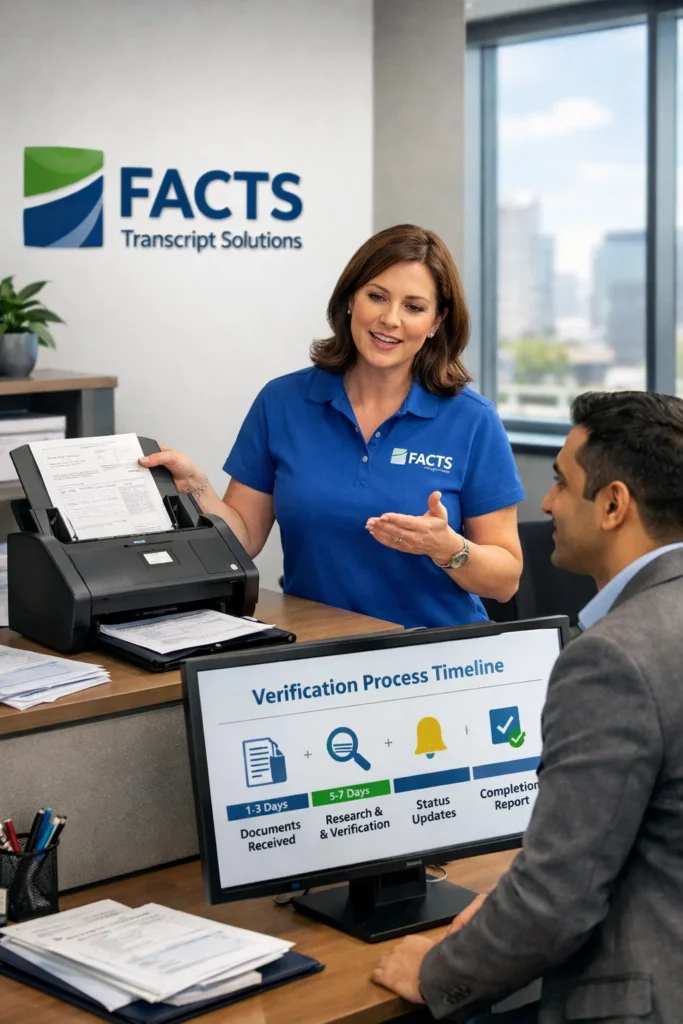
Comprehensive Guide to the License Process for Dental Assistants with FACTS Transcripts Read More »

n30

Comprehensive Guide to the License Process for Physiotherapists with FACTS Transcripts

Physiotherapy is a respected and essential healthcare profession that focuses on restoring movement, reducing pain, and improving the functional abilities of individuals affected by injury, illness, or disability. Physiotherapists play a crucial role in rehabilitation, preventive care, chronic disease management, and performance enhancement across diverse populations and healthcare settings.

Because physiotherapy directly impacts patient health and safety, entering the profession requires meeting well-established educational standards, completing structured clinical experience, and securing professional licensure. Licensing ensures that practitioners are competent, ethical, and prepared to deliver high-quality care in accordance with regulatory and professional standards.

This comprehensive guide explores the full licensing process for physiotherapists — from educational prerequisites to professional registration — and explains how FACTS Transcripts supports physiotherapy professionals by evaluating and presenting their academic and professional credentials clearly and accurately for licensing authorities, employers, and academic institutions.


Understanding the Importance of Licensure in Physiotherapy

Licensure is a formal process through which regulatory authorities grant permission to qualified individuals to practice physiotherapy within a defined jurisdiction. Licensing exists to protect public health and ensure that only well-trained and competent professionals deliver healthcare services.

Without the necessary license, individuals cannot legally practice physiotherapy, use protected professional titles, or work independently in clinical settings. Licensing also forms the basis for professional recognition, employment eligibility, and career progression.


Educational Pathways and Qualification Requirements

The foundation of the license process is education. A strong academic background in physiotherapy ensures that practitioners possess the scientific knowledge, clinical reasoning skills, and therapeutic competencies required for safe and effective practice.

Undergraduate Physiotherapy Degrees

To qualify for licensure, candidates must complete an accredited physiotherapy degree programme. In many countries, this is the Bachelor of Physiotherapy (BPT) or an equivalent undergraduate qualification. These programmes typically span four years and include classroom instruction, laboratory work, and supervised clinical training.

Core academic subjects covered include:

  • Anatomy and physiology

  • Kinesiology and biomechanics

  • Pathology and disease mechanisms

  • Therapeutic exercise and manual therapy

  • Electrotherapy and modalities

  • Rehabilitation principles

  • Professional ethics and communication

Supervised clinical placements are embedded within the curriculum to allow students to apply theoretical knowledge in real-world settings under the oversight of experienced physiotherapists.

Some regions also offer entry into physiotherapy at the postgraduate level, such as a Master of Physiotherapy, for individuals who already hold a relevant undergraduate degree in another field.

Clinical Training and Practical Experience

Clinical experience is an integral component of physiotherapy education. Students participate in structured practicum placements across diverse healthcare environments, such as hospitals, outpatient clinics, community rehabilitation centers, and specialized therapy departments.

During clinical placements, students develop essential skills including:

  • Comprehensive patient assessment

  • Development and implementation of individualized treatment plans

  • Therapeutic exercise prescription

  • Use of manual therapy and assistive modalities

  • Communication with patients, families, and healthcare teams

  • Ethical and professional decision-making

These supervised clinical hours are a mandatory prerequisite for licensure and must be accurately documented.


Professional Registration and Licensing Requirements

Once academic and clinical training requirements are completed, aspiring physiotherapists must pursue licensing through the regulatory body responsible for physiotherapy in their region or country.

Regulatory Authorities

Physiotherapy licensure is typically governed by a state or national council or board. These bodies establish eligibility criteria, administer licensure examinations, issue licenses, and maintain professional registers of qualified practitioners.

To initiate the licensing process, candidates must submit:

  • Certified copies of academic transcripts

  • Proof of completion of clinical practicum hours

  • Identity and citizenship documents

  • Application forms and fees

  • Any additional requirements set by the regulatory authority

Licensing authorities review these submissions to confirm that the candidate meets the prescribed standards before allowing progression to examination or direct licensure.

Licensing or Competency Examination

Many regulatory bodies require candidates to pass a licensing or competency examination. This exam assesses the candidate’s understanding of core physiotherapy competencies, clinical reasoning, professional ethics, and safe practice principles. The examination format may include written tests, practical assessments, or objective structured clinical examinations (OSCEs) depending on the jurisdiction.

Successful completion of the exam demonstrates that a candidate is capable of delivering safe, effective, and evidence-based physiotherapy care.

Registration and License Issuance

Upon verification of credentials and successful examination results, eligible candidates are granted a license to practice physiotherapy. The licensing authority issues a registration number and includes the professional’s name on an official register of licensed physiotherapists.

Licensed physiotherapists gain the legal authority to use protected professional titles, practice independently, work in healthcare facilities, and contribute to public health objectives.


Continuing Professional Development and Renewal

Licensure is not a one-time achievement. Regulatory bodies often require physiotherapists to maintain their license through continuing professional development (CPD). CPD activities may include:

  • Attending professional workshops and conferences

  • Completing advanced clinical courses

  • Engaging in research and evidence-based practice

  • Participating in mentorship or teaching roles

  • Documenting learning activities and outcomes

Physiotherapists are typically required to submit evidence of CPD activities at the time of license renewal, which may occur annually, biennially, or according to local regulations.

Ongoing professional growth ensures that practitioners remain current with advancements in research, clinical techniques, and patient care standards.


Documentation and Credential Verification

Accurate documentation is one of the most critical aspects of the licensing process. Regulatory authorities require clear, authentic, and verifiable records to confirm that candidates have met the educational and clinical criteria for practice.

Documents that are typically required include:

  • Academic transcripts that list courses completed, grades, and program duration

  • Proof of clinical practicum completion, with details of hours and supervising practitioners

  • Diploma or degree certificates

  • Examination results (if applicable)

  • Identification documents

  • Proof of good standing from previous regulatory authorities (if applying from abroad)

Any discrepancies, missing information, or inconsistencies in documentation can delay the licensing process, affect eligibility decisions, or result in applications being returned.


International Credential Recognition and Eligibility Evaluation

Physiotherapists often pursue opportunities beyond their country of qualification, seeking employment, advanced study, or professional growth abroad. However, educational and licensing standards vary across countries, and foreign qualifications may not be directly recognized in all jurisdictions.

To practice internationally, physiotherapists must often undergo credential evaluation to determine equivalency with local standards. Credential evaluation involves:

  • Assessing the level and content of academic training

  • Verifying the accreditation of the educational institution

  • Evaluating clinical practicum hours and clinical competency

  • Translating transcripts and credentials into formats acceptable to the licensing authority

This evaluation provides clarity to foreign regulatory bodies about whether a candidate’s qualifications meet the eligibility criteria within their system.


How FACTS Transcripts Supports Physiotherapy Professionals

FACTS Transcripts specializes in credential evaluation and transcript services that empower physiotherapy professionals to clearly and accurately present their academic and professional achievements to licensing authorities, employers, academic institutions, and international regulators.

Here’s how FACTS Transcripts supports your licensing journey:

Academic Credential Evaluation

FACTS Transcripts evaluates physiotherapy degrees and educational records against internationally recognized benchmarks. This evaluation helps licensing authorities understand how your qualification compares to local standards, especially if you seek practice eligibility in another country.

Organization of Professional Transcripts

Transcripts produced by FACTS Transcripts include:

  • Detailed description of coursework

  • Duration of training

  • Academic performance

  • Clinical practicum summaries

This precise documentation facilitates efficient review by licensing bodies.

Clinical Experience Documentation

FACTS Transcripts helps compile and present clinical practicum records in a professional format. Clear presentation of supervised hours and competencies achieved supports eligibility verification.

Support for Licensing and Registration Applications

FACTS Transcripts ensures that your documentation aligns with the requirements of regulatory authorities, reducing the risk of delays or requests for additional information. Evaluated transcripts make application review more straightforward and transparent.


Career Opportunities After Licensure

Once licensed, physiotherapists can pursue a wide range of fulfilling careers in healthcare settings such as:

  • Hospitals and rehabilitation centers

  • Private physiotherapy clinics

  • Community health programs

  • Sports medicine and athletic training

  • Academic and research institutions

  • Occupational health services

Some physiotherapists specialize further in areas such as:

  • Pediatric physiotherapy

  • Geriatric rehabilitation

  • Orthopedic physiotherapy

  • Neurological rehabilitation

  • Cardiorespiratory therapy

  • Women’s health physiotherapy

Advanced specialization often requires additional training, certification, or postgraduate study.


Conclusion

The licensing process for physiotherapists is a structured and essential pathway that ensures practitioners possess the knowledge, clinical skills, and professional competence necessary to provide safe and effective care. From completing an accredited physiotherapy degree and supervised clinical training to passing licensing examinations and maintaining continuing education requirements, each step contributes to professional readiness and public trust.

Documentation is a central pillar of the licensing process, and clear, verified records are indispensable for success. FACTS Transcripts supports physiotherapy professionals by evaluating, organizing, and presenting academic and clinical credentials in ways that align with regulatory expectations, whether for local practice eligibility or international recognition.

With accurate credential presentation and professional evaluation, physiotherapists can confidently navigate the licensing process, expand career opportunities, and contribute meaningfully to patient health and well-being across the globe.

FACTS Transcripts proudly serves students and professionals across a wide range of regions to support their academic and career goals. Our services are available in:

  • India
  • United States
  • Canada
  • United Kingdom
  • New Zealand
  • Australia
  • Russia
  • Middle East
  • North America
  • Africa

Our Services – FACTS Transcripts

We at FACTS Transcripts assist in various services, including:

  • Mark Sheet Transcripts
  • E-Transcripts
  • Duplicate Mark Sheets & Degree Certificates
  • Medium of Instructions Certificates
  • Attestations
  • HRD Attestation / Apostille Services
  • ECA (Educational Credentials Assessment)

Trusted by leading global verification organizations, including WES, IQAS, PEBC, NDEB, NASBA, CAPR, NZQA, ICAS, NCESS, ICES, ECE, eduPASS, ACEI, GCEUS, Comparative Education Services, NNAS, NCA, SAQA, QMAS, FORAC, Australian Pharmacy Council, and more.

FACTS Transcripts – The preferred choice for university document verification worldwide. We ensure a hassle-free process for obtaining your transcripts.

Comprehensive Guide to the License Process for Physiotherapists with FACTS Transcripts Read More »

p18

Complete Guide to Anesthesia Education, Career Pathways, and Professional Credentials with FACTS Transcripts

Anesthesia is a vital and complex healthcare discipline dedicated to patient comfort, safety, and physiological stability during medical and surgical procedures. Anesthesia care spans from basic sedation for minor outpatient procedures to advanced management of life-threatening conditions in major surgeries and critical care environments. Professionals in anesthesia play essential roles in ensuring patients do not experience pain, remain hemodynamically stable, and receive safe perioperative care.

Because anesthesia involves significant responsibility and risk, the training pathways, qualification requirements, and experience expectations are rigorous. Professionals pursuing anesthesia careers must complete structured education, receive supervised clinical training, demonstrate competency through standardized assessments, and maintain documented proof of qualifications and experience. FACTS Transcripts supports anesthesia professionals by evaluating and organizing their academic and professional credentials so they are clearly understood by employers, licensing authorities, academic institutions, and international bodies.

In this detailed guide, we cover the core aspects of anesthesia practice, professional roles, educational pathways, clinical experience expectations, licensing and credential documentation, and the value of FACTS Transcripts in your professional journey.


What Is Anesthesia?

Anesthesia refers to a range of medical techniques used to prevent pain and control physiological responses during medical procedures. It also includes patient management before, during, and after surgery or therapeutic interventions. Anesthesia care ensures that patients remain unconscious, pain-free, calm, and safe while medical teams perform interventions that would otherwise cause discomfort or distress.

Anesthesia is broadly categorized into:

  • General Anesthesia: A state of reversible unconsciousness where patients do not experience pain, memory, or movement during procedures.

  • Regional Anesthesia: Numbing a larger area of the body by blocking nerve pathways, such as spinal or epidural anesthesia.

  • Local Anesthesia: Targeted numbness of a small area for minor procedures.

  • Sedation: A state of reduced consciousness and anxiety relief, often used in outpatient or diagnostic procedures.

Several healthcare professionals contribute to anesthesia care. Each role carries specific responsibilities, education requirements, and career pathways.


Key Professional Roles in Anesthesia Care

Anesthesia teams are often multidisciplinary, including technicians, assistants, nurse anesthetists, physician assistants, and physician anesthesiologists. Understanding the roles and expectations of these professionals is key to planning your career in anesthesia.

Anesthesia Technicians and Technologists

Anesthesia technicians support the clinical team by preparing anesthesia equipment, maintaining anesthesia delivery systems, ensuring supply availability, managing instrument sterilization, and assisting during procedures. They play a technical and logistical role critical to safe anesthesia delivery.

Technicians are trained in:

  • Setup and maintenance of anesthesia machines

  • Monitoring devices and safety systems

  • Sterile handling procedures

  • Basic clinical support

Technicians typically hold a certificate or diploma from a recognized program and complete hands-on clinical training.

Anesthesia Assistants

Anesthesia assistants work more closely with clinical management. They participate in preparing patients for anesthesia, assisting in induction and maintenance phases, monitoring patients during procedures, and supporting recovery. These roles require advanced training beyond technician levels.

Education for anesthesia assistants includes bachelor’s degrees followed by specialized training programs that emphasize clinical competency and supervised practice.

Certified Registered Nurse Anesthetists (CRNAs)

Certified Registered Nurse Anesthetists are advanced practice nurses who specialize in anesthesia delivery. They assess patients prior to anesthesia, develop anesthesia plans, administer anesthetic agents, monitor patient responses, and manage pain control throughout procedures.

CRNAs typically complete a Bachelor of Science in Nursing, gain experience in critical care settings, and transition into specialized anesthesia training programs that often culminate in a graduate degree.

Anesthesiologist Assistants

Anesthesiologist assistants are healthcare professionals trained at the graduate level to work under the supervision of physician anesthesiologists. They perform advanced clinical tasks including patient assessment, anesthesia delivery, patient monitoring, and managing physiological responses during surgery.

Anesthesiologist assistants complete accredited master’s level programs followed by certification and supervised clinical experience.

Anesthesiologists

Physician anesthesiologists represent the highest level of expertise in anesthesia care. They are medical doctors who complete medical school followed by a residency in anesthesiology. Some anesthesiologists pursue subspecialty fellowships in areas such as pediatric anesthesia, cardiac anesthesia, pain medicine, or critical care.

Anesthesiologists design anesthesia plans, manage complex clinical scenarios, lead anesthesia teams, and incorporate advanced monitoring and pharmacological techniques in care.


Educational Pathways and Qualification Processes

Anesthesia education varies by role, but all pathways include a combination of theoretical instruction and supervised clinical training. The level of education directly influences the scope of practice and responsibilities in patient care.

Anesthesia Technicians and Technologists

Education for technicians may begin with:

  • Diploma or certificate programs in anesthesia technology

  • Associate degrees in allied health fields with anesthesia specialization

Curricula cover anatomy and physiology, pharmacology basics, anesthesia equipment function, patient monitoring systems, and safety procedures. Hands-on lab training is integrated into coursework to ensure technical competencies.

Anesthesia Assistants

Anesthesia assistants typically require:

  • A bachelor’s degree in a health-related science

  • Completion of a specialized anesthesia assistant training program

These programs provide clinical training, pharmacological knowledge, physiology, and diagnostic principles. Graduates are prepared for clinical roles under supervision, with emphasis on patient assessment and perioperative management.

Certified Registered Nurse Anesthetist (CRNA) Pathway

CRNAs follow a sequence of academic and clinical steps:

  • Bachelor of Science in Nursing (BSN) or equivalent nursing degree

  • Registered Nurse (RN) licensure

  • Clinical experience in critical care units (often a minimum of two years)

  • Enrollment in an accredited nurse anesthesia program

  • Completion of graduate-level coursework and clinical requirements

  • National certification examination

Graduate nursing programs focus extensively on anesthesia pharmacology, pain management, advanced physiology, and clinical simulation training.

Anesthesiologist Assistant and Physician Anesthesiologist Pathways

Anesthesiologist assistants complete specialized graduate programs that emphasize:

  • Advanced anatomy and pharmacology

  • Clinical monitoring techniques

  • Anesthesia procedures and safety protocols

  • Supervised clinical practicums in operative settings

Physician anesthesiologists follow a medical education pathway culminating in:

  • Medical school degree

  • Residency training in anesthesiology

  • Board certification examinations

  • Optional subspecialty fellowships

Their training ensures mastery of anesthesia science, complex clinical decision-making, and leadership in perioperative medicine.


Clinical Training and Practical Experience

Clinical experience is central to anesthesia eligibility. Supervised clinical hours provide students and trainees with real-world patient care exposure and safety protocol application.

Supervised Clinical Rotations

Across anesthesia programs, students participate in rotations within surgical suites, operating rooms, emergency departments, and intensive care units. During rotations, trainees:

  • Administer anesthesia under supervision

  • Monitor vital signs and adjust anesthesia levels

  • Manage patient airway and ventilation

  • Respond to intraoperative complications

  • Practice patient preparation and recovery management

These experiences are documented and evaluated by clinical instructors to verify readiness for independent practice.

Internship and Residency Programs

Post-graduate internships and residency programs deepen clinical exposure. For example:

  • CRNA programs require extensive clinical anesthesia cases logged under supervision

  • Anesthesiologist residents complete multi-year training with progressively independent responsibilities

  • Anesthesiologist assistants participate in structured clinical assignments that simulate independent practice

Documentation of clinical hours, case types, patient assessments, and competency evaluations is essential for board certification and licensing applications.


Licensing, Certification, and Professional Competency

To practice legally, anesthesia professionals must achieve appropriate licensing or credentialing through recognized regulatory bodies.

Certification Examinations

Certification exams evaluate knowledge, clinical judgment, patient safety understanding, and professionalism. Examples include:

  • National certification for nurse anesthetists

  • Board exams for physician anesthesiologists

  • Specialty certification for anesthesia assistants

Passing these exams confirms that candidates meet practice standards and are competent to deliver anesthesia care.

Registration with Regulatory Authorities

Each region or country has a regulatory agency responsible for granting practice licenses. Professionals submit required documents, exam results, and clinical training records to secure licensure.

Maintenance of licensure often requires continuing education and proof of ongoing clinical competency.


Documentation Standards and Credential Verification

Careful documentation of qualifications, clinical experience, and professional achievements is fundamental to eligibility assessment. Regulatory agencies, employers, and educational institutions rely on accurate records to confirm that a professional meets required standards.

Documentation typically includes:

  • Academic transcripts showing coursework and graduation dates

  • Certificates from recognized training programs

  • Logs of clinical cases and supervised hours

  • Examination scores and licensing results

  • Letters of verification from clinical instructors or supervisors

Incomplete or inconsistent documentation can lead to delays or rejection of eligibility applications.


International Eligibility and Credential Evaluation

Many anesthesia professionals pursue opportunities or advanced training in countries other than where they studied. Since education and licensing systems differ globally, regulatory authorities often require credential evaluation to determine equivalence.

Credential evaluation involves:

  • Assessing academic degrees against local standards

  • Comparing clinical training hours and competencies

  • Evaluating program accreditation status

  • Translating transcripts into internationally understandable formats

Professionals need clear, accurately evaluated documentation to qualify for licensing exams, employment, postgraduate programs, or residency positions abroad.


How FACTS Transcripts Supports Anesthesia Professionals

FACTS Transcripts specializes in credential evaluation and documentation services that help anesthesia professionals present their qualifications professionally and accurately.

Here’s how FACTS Transcripts supports your professional development:

Evaluation of Academic Credentials

FACTS Transcripts assesses your degrees and academic records against recognized standards. This assists employers and regulatory authorities in understanding the scope and level of your education.

Organised Transcripts and Reports

Comprehensive transcripts prepared by FACTS Transcripts include:

  • Detailed course descriptions

  • Clinical rotation breakdowns

  • Academic performance summaries

  • Practicum and supervised training documentation

These structured reports provide clarity during eligibility verification or licensing reviews.

Verified Experience Documentation

FACTS Transcripts helps compile your clinical experience, supervised practice logs, and internship records into a coherent and credible professional portfolio. This organized documentation demonstrates your readiness for practice.

Support for Licensing and Career Applications

Whether you are applying for licensure, employment, residency, or postgraduate training, FACTS Transcripts ensures your credentials meet the expectations of reviewing authorities. Professional presentation of your records improves the likelihood of smooth processing and approval.


Career Opportunities in Anesthesia

Anesthesia professionals have a wide range of career options, including:

  • Clinical practice in hospitals and surgical centers

  • Advanced anesthesia specialties such as cardiac or pediatric anesthesia

  • Teaching and academic roles

  • Research in pharmacology and patient safety

  • Leadership roles in perioperative services

  • Consultancy in anesthesia technology and management

Professionals with advanced certifications, extensive clinical experience

, and international eligibility reports have increased access to diverse global opportunities.


Conclusion

Anesthesia is a challenging, high-impact healthcare discipline that demands rigorous education, extensive clinical training, and verified professional competence. Whether you are an anesthesia technician, assistant, nurse anesthetist, or anesthesiologist, understanding eligibility standards and documenting your credentials clearly are essential steps toward a successful career.

FACTS Transcripts enhances your professional profile by evaluating and organizing your academic and clinical records into clear, structured, and internationally recognized formats. With properly presented credentials, anesthesia professionals can pursue licensing, advanced opportunities, global mobility, and leadership roles with confidence.

FACTS Transcripts proudly serves students and professionals across a wide range of regions to support their academic and career goals. Our services are available in:

  • India
  • United States
  • Canada
  • United Kingdom
  • New Zealand
  • Australia
  • Russia
  • Middle East
  • North America
  • Africa

Our Services – FACTS Transcripts

We at FACTS Transcripts assist in various services, including:

  • Mark Sheet Transcripts
  • E-Transcripts
  • Duplicate Mark Sheets & Degree Certificates
  • Medium of Instructions Certificates
  • Attestations
  • HRD Attestation / Apostille Services
  • ECA (Educational Credentials Assessment)

Trusted by leading global verification organizations, including WES, IQAS, PEBC, NDEB, NASBA, CAPR, NZQA, ICAS, NCESS, ICES, ECE, eduPASS, ACEI, GCEUS, Comparative Education Services, NNAS, NCA, SAQA, QMAS, FORAC, Australian Pharmacy Council, and more.

FACTS Transcripts – The preferred choice for university document verification worldwide. We ensure a hassle-free process for obtaining your transcripts.

Complete Guide to Anesthesia Education, Career Pathways, and Professional Credentials with FACTS Transcripts Read More »

Google Verifiable Reviews

Here’s What Our Clients Have To Say

Sangeetha Nagarajah

I was very pleased with FACTS services! Sitting in Bangladesh, I was able to coordinate with their team in Bangalore and they got my transcripts and certificate sent in a short time. Also I was so concerned about sending my originals to them but they had returned it back to me safely once the process was done. Highly recommend FACTS!

Pooja Kumari

I used their services to get an official statement of Marks ( University issued and attested). The entire process took me a week, and got a very fast response and continuous assistance from their team. Thank you, Facts Transcripts and Verification Inc. for such an amazing experience.

Prasanth Kukal

I had such a wonderful experience with Facts Transcripts and it is my pleasure to rate them with 5 Star. Their approach to the whole process was very transparent and genuine. Initially I was skeptical about sending original educational certificates over courier though my university made it mandatory for issuing transcripts. Kiran was very confident on suggesting safest ways to courier and it all ended happily. I felt as Facts is highly professional dealing with university and delivering it on the committed dates. I am writing this in detail because there are many agencies who is only proactive till you make your payment and they are less professional, so I recommend reading all the reviews before anyone choosing an agency !

Sheba Raichal

Facts helped me process my NDEB certification as easy and quick as possible. I would recommend anybody to use their service if you dont have much time & resource to do it yourself. So happy with their service!😊!

Muhammed Junais

I am highly recommend for FACTS TRANSCRIPTS AND VERIFICATION INC, especially very good service, trustworthy, fast service, quick response and also they gave me useful advice regarding the transcript. I am very happy for your service. Thank you FACTS TRANSCRIPTS AND VERIFICATION INC.

Kanika Bhatia

Genuine and fast service ! I definitely recommend them based on my personal experience 👍

Gaurav Kumar

In October 2019, I decided to apply for WES Canada but the only problem was, I am bases out Delhi and I had to go to university 3-4 times in a span of 1 month to apply for my WES. I was searching for service provider who can ease my pain but all the negative reviews of few service providers demotivated me to move forward. I knew I have to take few days off from work, fly out to Bangalore 2-3 times and spend around 30k just to request the university to send my transcript. My agony ended on 9th December when I got to know about fact transcript and here I am 9 days later writing this review from my office with a smile 😄 because my documents have been processed and dispatched. Thank you team for your swift service.

Rinku Tulsiani

The service provided was valuable and the case manager Kiran was very polite and helpful!

Stanley James

Facts verify has helped me to sent my transcripts from Anna university and VTU to WES Canada. They have done their work professionally and I appreciate them for their promptness. Through them it was hassle free, else it would have been time and energy consuming to sent from these universities. I would 100 percent recommend this team for Transcripts. All the best FACTS VERIFY TEAM. Thanks

Harjit Singh Kohli

Thanks to the full team of FACTS TRANSCRIPTS They helped us in the covid time to get the work pushed through and also to Ms Manjula fir her special efforts Kudos to the team and management Regards Harjit Singh Kohli!

Prasanth Nair

Trust worthy firm in handling your educational documents and transcripts. Competitive price and fast processing.

Srinivas Adilapuram

Excellent and reliable services, they have a great support team and reachable during office hours. I really appreciate their efforts assisting to get the transcripts / verification documents!

Yoginath Poreddy

Felt comfortable and trust worthy people working with FACTS. Smooth and easy-going process for WES services. Same quick response when contacting even after 4 long years. ⭐️⭐️⭐️⭐️⭐️!

Rajinder Kaur

I would like to really appreciate and thank the entire Facts team who helped me get all my certificates delivered on time in these difficult circumstances. They are very professional with their work and keep you posted with each step of the progress. Kiran used to be in touch with me always on WhatsApp and answered my queries whenever I asked for any help. Thank you team and you guys are doing a great job considering the harsh situations that we are currently in. Stay safe and take care of yourselves.

Feroze Khan

Easy to signup, upload, track and result within the promised timelines. Also the price is also economical when compared with other competitors. Rated 5 star for their overall service and experience.

Seetharaman Ramadurai

Excellent service by Facts !!! Being placed outside India, I have approached Facts Transcripts for the services. Due to pandemic, there was no response at the college. At last, Ms Manjula personally visited the college and the transcript was obtained. My transcript was sent successfully on personal intervention. Facts transcript does the job professionally !! Great job !!!

Ayesha Shaheen

Facts has indeed lived upto their brand promise - “decide with confidence”. The experience was seamless and smooth from end to end. Facts can definitely have my vote of confidence when it comes to seeking help with transcripts, even when you are not stationed there. Keep delivering the very best!! 👍🏻

Saju Ramachandran

Able to get the Transcripts being remote without needing to visit the Uni or any office was a luxury!! Thanks to FACTS, was able to get the transcripts sitting in UK, without any hassle and in the promised time lines. Would definitely recommend them for any Transcript related opportunities….

Archana Sridhar

I am extremely happy with the services that FACTS has rendered . What’s very important to take note of is the timelines that they adhered to . Commendable indeed ! Keep up the good work!

Robin Pinto

Excellent services. I got my transcripts done even though I was abroad. Just had to send my documents and they did everything. They are professional prompt on their commitments. I definitely recommend them specially for the people living abroad.

Pavithra Sharma

I was hesitant in the beginning to get my transcripts from a 3rd party and due to pandemic situation outside I decided to get my transcripts submitted through FACT Transcripts. Why I choose FACTs is that I read super good reviews about the service in the Google and they lived upto the expectations. I was very happy as my college was an affiliated college to the BU I had to get the transcripts signed from the college and then submit to the university. This I was unaware but it was taken care by FACTS and they helped get the right things at right time. Within 28 days my transcripts were submitted to WES. Very happy with the service.

Rayyan Syed

Very professional service . I highly recommend to all who wants for transcripts service from universities you can 100% trust for facts transcript service . During this pandemic time they offering great service .

Rushda Irfana

The service was excellent. It was absolutely stress free as i received the updates regularly for my case. I would totally recommend Facts Transcripts especially if you are overseas and trying to get it sorted for your certificates issued from Indian Universities.

Gauri Sharma

Kudos to Facts team ! Excellent And exceptional services . I have availed their services twice one before covid era and another in covid times .Team is quite dedicated and always delivers services within time line 😊😎

Sunil Murkikar

II like Fact I am outside of country and found Facts service for my Transcripts from multiple universities in India I love them to get my application done in this tough time at affordable fees They visited to university on my behalf in person and get the transcript done They are really very helpful team I really like is there prompt response to your massage, and easy accessible. My application was handled by Ms. Manjula and she did a great job, she was all time accessible to my communication. She personally visited to university for my case and get it done in this tough time to travel. I would highly recommend going by FACTS in case you need your transcripts. Wish you all success and safe life 👍

Anand Kurian

Facts Transcripts and Verification Inc are a very professional body and can be relied upon to do their tasks ably and competently. I wish them all success.

Dr Nandita Sharma

I am amazed to see the professionalism of Facts Transcripts. I received my Transcripts within 22 days. It is the most reliable and efficient service portal for any process. Thank you for such a prompt service.🌟🌟🌟🌟🌟⚘.

Bhaskar Dharani

Truly, FACTS as the name goes, they are 200% committed to their customers. Despite the 2nd wave in India, I could get my Transcripts sent to WES. I express my gratitude to FACTS for their whole hearted efforts and continuous follow up with the institution. Also, I am sorry to know the person who had submitted by application had passed away due to COVID at a young age of 29yrs. Condolences to his family. Despite the hardships FACTS manager was in touch with me continuously assuring me and seen that things are done. Appreciated all the best efforts and good work by FACTS.

Visha Nirwan

We had a great experience with fact transcripts . Basically we really like their way of doing work. It's so transparent and fast which is great for anyone who desperately wants their degree or transcripts. We highly recommend fact transcripts services to everyone.

Akila Sundaramurthy

The whole process was seamless and efficient. We didn’t have to follow up at all and yet we received regular status updates. We knew exactly what was happening and I highly recommend Facts Transcripts for facilitating assessment of educational credentials for immigration purposes..

Shiljy Sebastian

Even though when I reached out to them for an enquiry I didn’t receive positive reply, I still went to proceed with Fact Transcripts, it was done faster than expected!

Abhishek Mishra

Genuine services. I am extremely satisfied. They got the verification done in a very short period of time and the charges were minimal too.

Sheeba Stanley

Smooth process of getting your transcripts via Universities and timely updates were notified.

Sreedhar Yalamati

I am highly satisfied with Facts Verify service. The team is very professional, 100% genuine and responds to all our queries, every email. I have got the transcripts which dates back to almost 15 years. The team followed up and made it possible. I am really thankful to Kiran and Priya for their continuous support and service. The best service you can expect especially if your's is a complicated requirement.

Angshuman Buragohain

Facts Transcripts is very reliable and genuine transcript service provider. I wanted my transcript very urgently and It was extremely tough to get the transcript from my university since it is in very remote area but I relied on Facts Transcripts and they GET IT DONE. I really appreciate their help and I recommend everyone who wants their transcript can always go for Facts Transcripts.

Priyanka Kotti

Great Customer service! Very patient in answering all my questions and doubts. Received documents by expected date. Hassle free process. Trustworthy and will recommend to others.

Boney Sarkar

Good and Trustable Service, I am so happy with the services I also given them my video testimony on YouTube

Anitha K S

Good and Trustable Service, my 5 Star to FACTS Transcripts

Ekta Sharma

Thank you so much for completing, my transcript, my 5 Star to FACTS Transcripts, check out my video testimony on why FACTS is best

Ida George

Wonderful experience.. Just a message sent to them for clarity about Medium of Instruction(MOA)saved my money and time.. Without even knowing,without a penny..got what I needed in my hands..safe and secure.. Thanks to FACTS..Keep helping and growing..to keep that smile in faces that deserve..🙂

Rajani Chaudhary

Great experience to get the service from the FACTS. Thank you FACTS team for the provided service within the said time and good coordination. I strongly recommend them as they are reliable and trustable.

Nissi Christie

FACTS Transcripts provided excellent service and delivered my duplicate degree and transcript. Highly recommend their services, I have also given my video testimony watch on youtube!.

Bilal Daniel

The team at Facts Transcript is the best. Because I am not in India, and I need to get my official transcript and finish the WES process. I asked a few friends to do it on my behalf, but after that I got to know it is a very complicated process that requires my presence, I asked my friends to obtain an agency number so they could do it without my presence after doing some research and talking to my friends about few agency I got to know about facts transcript. They helped me and explained the procedure to me. I paid the fee right away(which is the BEST PRICE in the market), and the process of issuing transcripts and completing my WES process from india started within a week process form banglore got completed and they have provided me with DHL tracking info. Within 6 days I got another update from WES that they got my official transcript . THANKS YOU once again to Fact team for making this process very easy to me..

Chandrashekar Athmakuru

The process of getting my transcripts verified through FACTS was smooth and hassle-free. I appreciate their efficiency and professionalism

Mansoorali N

It was wonderful experience Beyond expectation specially as an agent in Bangalore. I appreciate your immediate response on queries and well sophisticated system portal. I was little worried about processing formalities, duration and extra charges. But you were straight forward and systematic. I assure, You would be my first choice that I would recommend. Thank you so much FACTS Team…….😍

Mohammed Abdul Wasay

Got my transcripts done staying in abroad. Best service *thumbsup*

Abin Tom

Great service. Mr Kiran very professional and easy approachable person. Thank you so much for your support*

Sameer Hassan

Facts transcripts give the best services to there customers. In terms of transcripts on time or reply to the emails. Regular update by them.

Bilal Wardak

One of the Best Places. Thanks Facts Transcripts and Verifications Team for helping me out. They are very helpful. Just By contacting and Sending the Fee, the gave me the account login details and told me to upload all my documents. I am waiting for my Transcripts to be send by them to WES

Mahesh Vamuela Prakash

I needed my Engineering transcripts verified from my university, since i am out of the country i was searching online for a trusted organization who can help me with getting my transcripts verified. I found Facts Transcripts and had reached out to them. They responded immediately and guided me on what is required for them to get the transcripts verified. the whole process as done easily and efficiently online. They kept me updated through their portal and emails and finally received. They made a super daunting task especially when you are far away and need it immediately look very simple and easy. They have a very organized and are trustworthy. Thank you to each and everyone from the Facts Transcripts Team!

Julin & Jo

Even though it was a bit delayed, they made sure my work was done. Thanks a lot guys !! 100% recommended

Shruthi Vinod

One of the best professional service . Most reliable. Quick to respond for any queries. I would recommend facts for people who needs help for attestation or transcripts..good job team..thank you and really appreciate your support.

Mohamed Fahad

They are 100% genuine on their service. I gave my transcripts for three different Universities and they made everything successful in short period of time as they keep on following with the university and get the task done. I am specially thanking Ms.Manjula for her effort and keeping me updated on daily basis. Highly recommending this firm for your certificate verifications, transcripts, etc....

GOG

Highly Recommended and Trustworthy. One of my friend in Canada suggested Facts transcript for WES. My process took long time due to college process and other unforeseen circumstances .I worked with Manjula from past few months she always used to give timely responses and made it work sent transcripts to WES. Don't sit and read negative reviews just go for it .

NAWAJISH MAEEN

Good Service, hassle free process for transcripts. I was impressed with the customer service at FACTS

Bharath H S

FACTS Transcripts and Verification exceeded my expectations with their attention to detail and thoroughness in verifying my documents.

Shiljy Sebastian

Even though when I reached out to them for an enquiry I didn’t receive positive reply, I still went to proceed with Fact Transcripts, it was done faster than expected.

Jithin TP

Best professional service . You no need to worry about anything just give them the required details and documents, sit back and relax . Thanks team , it was a wonderful help specially at this pandemic

Mullaivendan Chidambaram

It is my pleasure to thank FACTS TRANSCRIPTS for their valuable service and continuous support in my WES Application Process. I really appreciate them for their understanding and helping me regarding the submission of Transcripts, Marksheets and Degree Certificates from the respective universities and sending the same to WES, Canada. I feel that the submission of required documents to WES, Canada couldn't have been achieved without their guidance, which is going to help me in the future. Overall, the service, email responses, process were fast and perfect. Thank you FACTS for your valuable service and assistance. I'm sure you deserve this compliment.

Ornella Sara Shaj

I highly recommend FACTS Transcripts and Verification for anyone in need of transcript services. They are reliable, efficient, and provide excellent value

Dr. Ashok K. Saini

IThank you for your kindness.I was extremely satisfied with the speed and quality of service provided by FACTS Transcripts and Verification. Highly recommend their services to anyone in need of transcript verification

Hemant Sudehely

I really appreciate the support and help provided by Kiran my Transcript case. Over this short amount of time he became my friend and guided me on each phase of my transcript process. I will definitely refer Kiran and Facts Transcript to any transcript process!!! Good Job Kiran!!!

Poulin Michael

I had a great experience working with FACTS Transcripts. Their team is knowledgeable, friendly, and dedicated to meeting their clients' needs.


Jigar Joshi

FACTS Transcripts and Verification provided me with exceptional service and ensured that my documents were verified accurately and efficiently.

Pankaj Tiwary

I would highly recommend FACTS Transcripts and Verification to anyone in need of transcript services. Their customer service is outstanding and their processes are streamlined for efficiency.

Zaffer Ahmad

I was impressed with the level of expertise and professionalism displayed by the team at FACTS Transcripts and Verification. Thank you for your excellent service!

Sunil Sharma

Very happy with the services provided, team is very helpful and keep you updated on timely basis, I had a great experience working with FACTS Transcripts and Verification.

Here from them

Our Customers Are Our Ambassadors – Hear What They Say:

Scroll to Top